Thanks to his experience and strong relationships with local lodge owners, we spent very little time between arriving at a lodge and relaxing after the day’s challenges. Comfortable rooms, well-planned meals, and the chance to rest fully each evening greatly enhanced our enjoyment of the Ghorepani–Ghandruk Trek in Nepal. Dammaru’s careful attention to these details made each day’s end as rewarding as the trekking itself.
Mardi Himal Trek 6 days
Facts of the trip
| Trip Code: | MHT23 |
| Trip Duration: | 6 days |
| Max. Altitude: | 5545m |
| Grade: | Moderate |
| Program Type: | Trekking |
| Trek Start Point: | Pokhara |
| Trek End Point: | Pokhara |
| Accommodation: | Teahouse |
| Meals: | Breakfast, lunch , Dinner with tea/coffee |
| Mode of Travel: | Adventures |
| Transportation: | Air/Bus/Car |
| Minimum Pax: | 05 |
| Best season: | September to November and March to May |
Overview: Mardi Himal 6-days Trek
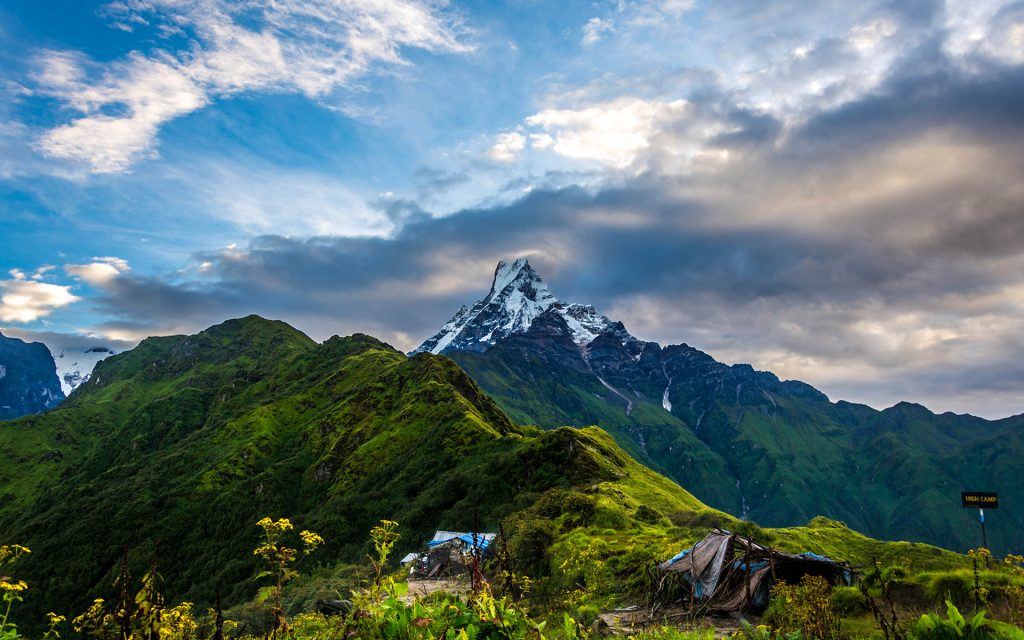
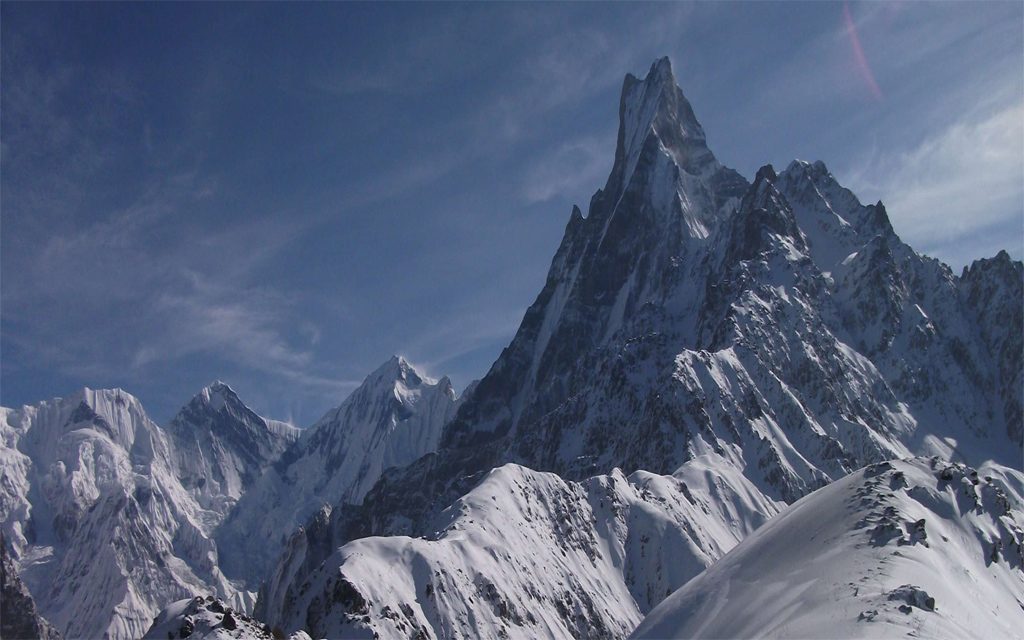
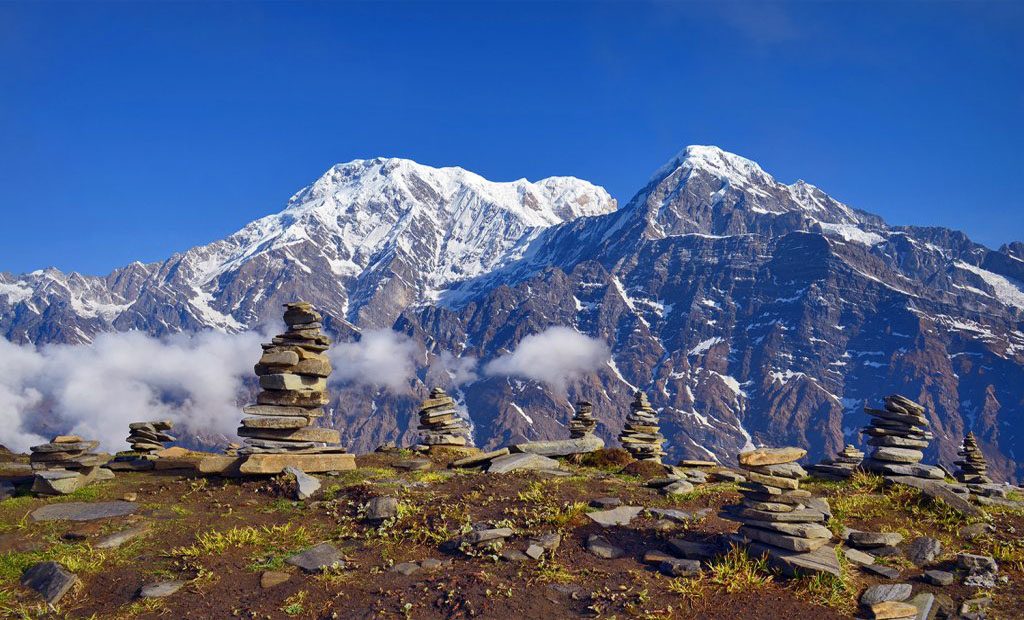
The Mardi Himal Trek is a short yet rewarding trek in Nepal’s Annapurna region. The Mardi Himal trek is offering a quieter and less crowded experience for trekkers. It is an excellent choice for those who seek breathtaking Himalayan views while immersing themselves in nature and local culture. The Mardi Himal trek is creating unforgettable lifetime memories This trek is One of the main highlights is its stunning panoramic views. Trekkers can witness Annapurna South, Himchuli, Gangapurna, and the iconic Fishtail (Machhapuchhare). Likewise, Annapurna I, II, III, and IV; Gandharva Chuli; Glacier Dome; and Lanjung Himal. Additionally, the trail passes through culturally rich villages such as Dhampus, Pritam Deurali, Landruk, and Siding, providing an opportunity to experience local traditions and warm hospitality.
Trekking starting and ending point
The adventure begins with a scenic drive from Pokhara to Kande, followed by a trek up to Australian Camp and onward to Pritam Deurali. Throughout the journey, the route offers spectacular views and an immersive trekking experience. Ultimately, the Mardi Himal Trek provides trekkers with a perfect blend of adventure, tranquility, and breathtaking scenery, leaving them with lifelong memories of Nepal’s majestic Himalayas.
Lifestyle in the Mardi Himal trekking area:
The Mardi Himal Trek takes you through remote villages, mostly inhabited by Gurung and Magar communities. The lifestyle in these areas is simple and traditional, with people engaged in subsistence farming, animal husbandry, and tourism-related activities such as running teahouses and guiding treks. Many locals practice a self-sufficient way of life, growing crops like millet, maize, and potatoes while also herding yaks and sheep.
Vegetation in the Mardi Himal trekking area:
The trek passes through diverse vegetation zones: Lower Region (1,000 m–2,500 m): Lush rhododendron, oak, and pine forests dominate this area, creating a vibrant and colorful trail, especially in spring (March–April). Mid-altitude (2,500 m–3,500 m): Alpine forests start thinning out, with more juniper and dwarf rhododendron shrubs appearing. Higher Region (Above 3,500 m): The vegetation becomes sparse, with rugged landscapes, mosses, lichens, and high-altitude grasses taking over as you approach the Mardi Himal Base Camp.
Atmosphere & Climate:
Spring (March-May): Pleasant weather, blooming rhododendrons, and clear mountain views. Monsoon (June-August): Lush greenery, but heavy rainfall makes trails slippery. Autumn (September-November): Best time for trekking, with stable weather, crisp air, and panoramic views of Machhapuchhre (Fishtail) and Annapurna peaks. Winter (December-February): Cold temperatures, snow-covered trails, and fewer trekkers, making for a peaceful but challenging experience.
Culture in the Mardi Himal trekking area:
The Mardi Himal region is rich in Gurung and Magar culture, deeply influenced by Tibetan Buddhism. Along the trek, you will see Buddhist monasteries, prayer flags, and chortens. Villages like Sidhing and Lwang offer homestay experiences where trekkers can witness traditional dances, taste local dishes (such as dhido, gundruk, and yak cheese), and participate in cultural rituals.
Mardi Trek highlight:
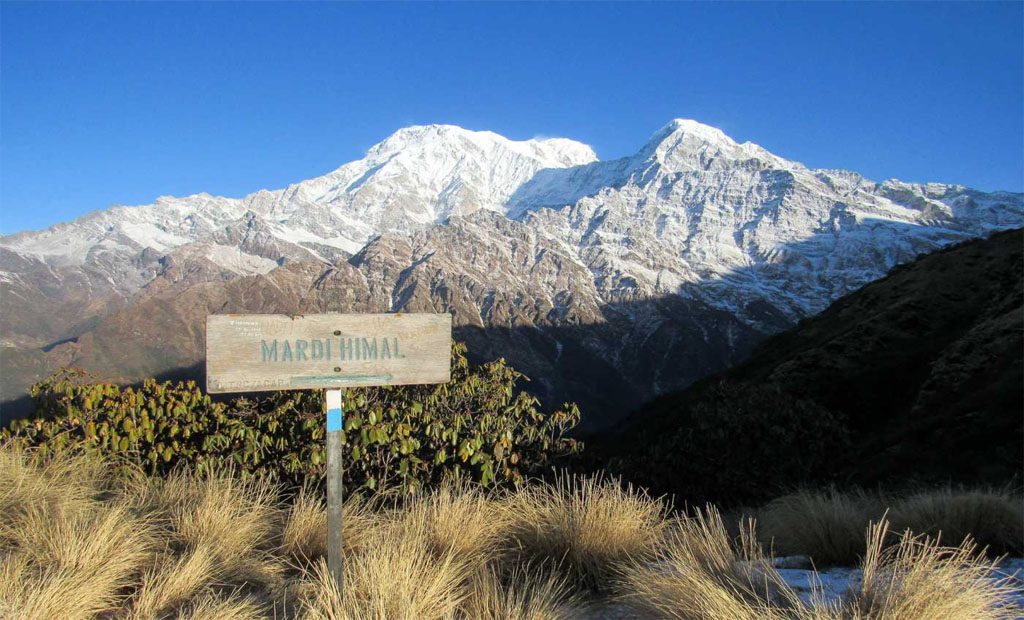
1. Spectacular Mountain Views: The trek offers panoramic views of Annapurna South, Hiunchuli, Machapuchare (Fishtail), and Mardi Himal. The Mardi Himal Base Camp (4,500 m) provides an up-close view of the majestic peaks.
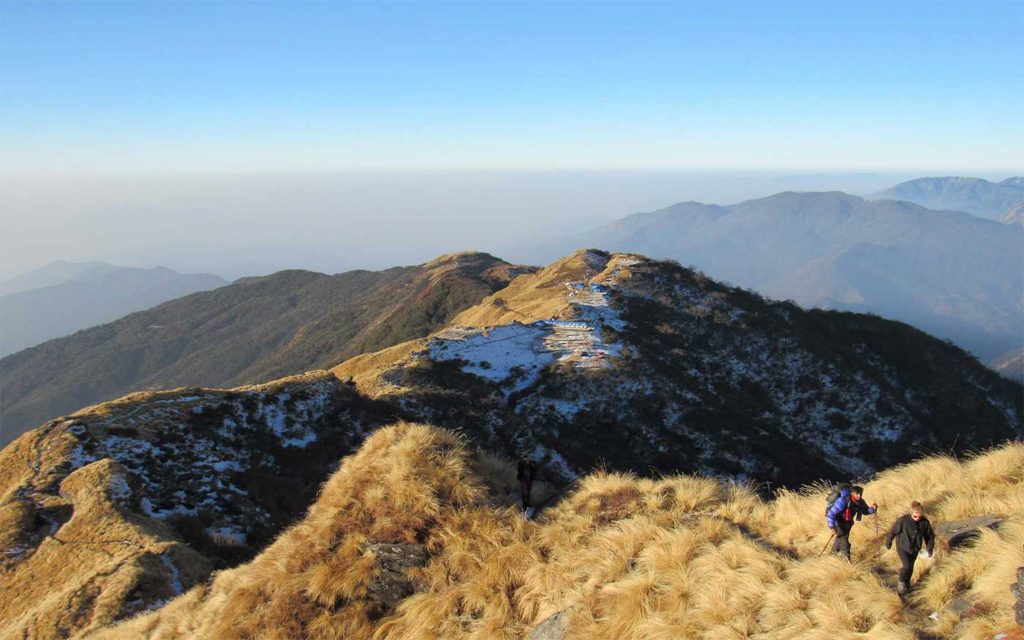
2. Diverse Landscapes: The trek takes you through lush rhododendron forests, alpine meadows, and rugged high-altitude landscapes. The changing terrain adds variety and excitement to the trek.
3. Rhododendron Forests: During the spring season (March to May), the forests bloom with vibrant rhododendron flowers, creating a magical environment.
4. Off-the-Beaten-Path Experience: Compared to other popular treks in Nepal, Mardi Himal is quieter and less commercialized; consequently, it allows trekkers to connect more deeply with nature and local culture. Furthermore, the tranquil trails and unspoiled landscapes offer a refreshing escape from the crowds, making the experience even more immersive.
5. Local Villages and Culture: The trek passes through charming Gurung and Magar villages where you can experience authentic Nepali culture, hospitality, and traditional lifestyles.
6. Short and Accessible: The trek typically takes 5-7 days, making it an excellent choice for those with limited time. The starting point, Kande or Dhampus, is easily accessible from Pokhara.
7. Accommodation: Comfortable teahouses along the route provide warm meals and cozy beds, making the trek convenient for beginners and experienced trekkers alike.
8. Sunrise and Sunset Views: High Camp and Mardi Himal Base Camp are ideal spots to enjoy dramatic sunrises and sunsets over the Himalayas.
Main trekking route in the Annapurna Region
trekking in the Annapurna Region
The Annapurna region is one of Nepal’s most popular trekking destinations, offering diverse landscapes, stunning mountain views, and rich cultural experiences. Below are the main trekking routes categorized by popularity, duration, and trekking experience level.
Classic and Popular Treks
Annapurna Circuit Trek (15–21 days):
starts from Besisahar and ends at Jomsom or Pokhara. Crosses Thorong La Pass (5,416 m). Landscapes: Subtropical forests to high-altitude deserts.
Highlights: Manang, Thorong La Pass, Muktinath Temple, Jomsom, Kali Gandaki Gorge
Annapurna Base Camp (ABC) Trek (7–12 days):
Starts from Pokhara (Nayapul or Phedi). Leads to Annapurna Base Camp (4,130 m) via Machhapuchhre Base Camp.
Highlights: Annapurna Sanctuary, rhododendron forests, Gurung villages, hot springs at Jhinu Danda
Ghorepani Poon Hill Trek (4–6 days):
Starts from Pokhara (Nayapul). Reaches Poon Hill (3,210 m) for spectacular sunrise views. Highlights: Traditional Gurung villages and views of Annapurna and Dhaulagiri. Ideal for beginners and families
Off-the-Beaten-Path and Specialized Treks
Mardi Himal Trek (5–7 days)
Starts from Kande or Phedi
Reaches Mardi Himal Base Camp (4,500m)
A quieter alternative to Annapurna Base Camp (ABC)
Offers close-up views of Machhapuchhre (Fishtail)
Features peaceful forest trails and stunning ridge-line trekking
Khopra Danda Trek (7–10 days)
A less-traveled alternative to the Poon Hill trek
Leads to Khopra Ridge (3,660m) with panoramic Himalayan views
Optional side trip to the sacred Khayar Lake (4,500m)
Ideal for trekkers seeking solitude and cultural immersion
Upper Mustang Trek (12–16 days)
Requires a restricted area permit
Begins in Jomsom and leads to the ancient walled city of Lo Manthang
Highlights a unique, arid landscape influenced by Tibetan culture
Perfect for cultural exploration and off-the-beaten-path adventure
Tilicho Lake Trek (10–14 days)
Often combined with the Annapurna Circuit
Reaches Tilicho Lake (4,919m), one of the highest lakes in the world
Known for its dramatic alpine scenery and high-altitude challenge
Recommended for experienced trekkers seeking rugged beauty
Why Choose a Nepal Freelance Guide for the Mardi Base Camp Trek?
Choosing a Nepal freelance guide through The Himalayan Realms Treks and Expedition Nepal Pvt. Ltd. offers a personalized, authentic, and affordable trekking experience. Our handpicked, licensed local guides bring deep regional knowledge, flexible itineraries, and cultural insight, ensuring a safe and enriching journey. By hiring a freelance guide, you directly support local livelihoods while enjoying more flexibility than fixed group tours. With our company’s trusted platform, you get professional, experienced guides committed to your safety and satisfaction. Trek Mardi Himal with real connection, expert guidance, and the warmth of true Nepali hospitality.
Conclusion:
The Mardi Himal Trek is a must-do for trekkers looking for a scenic, peaceful, and rewarding adventure in Nepal’s Annapurna region. Not only does it offer breathtaking mountain views, but it also provides a deep cultural immersion through encounters with local traditions and lifestyles. Whether you’re a solo traveler seeking solitude, trekking in a group for a shared adventure, or exploring with family for a memorable getaway, this trek promises an incredible experience. Ultimately, it seamlessly blends natural beauty with cultural richness, leaving every traveler with cherished lifelong memories.
Day 01: Arrival at Kathmandu Tribhuvan International Airport (1,300 m/4,264 ft):
Day 02: Drive to Pokhara (827 m/2,700 ft): 6-7 hours
Day 03: Drive to Phedi and trek to Deurali (2100 m/6,720 ft)
Day 04: From Deurali to forest camp (2,520 m/8,064 ft): 6-7 hours
Day 05: From Forest Camp to Low Camp (2970 m/9504 ft): 5-6 hours.
Day 06: From low camp to high camp (3540 m/11,328 ft): 3-4 hours.
Day 07: From high camp to upper viewpoint, we ascend 4250 m/13600 ft.
Day 08: From High Camp to Sidhing Village (1700 m/5440 ft): 6-7 hours.
Day 09: From Siddhing to Lumre and back to Pokhara by drive to go directly to Pokhara airport and back to Kathmandu by flight.
Day 10: From hotel to Tribhuvan International Airport: Final departure for your own destination.
Day 01: Arrival in Kathmandu Tribhuvan international airport (1,300 m/4,264 ft): then pick you up and take a short drive from the airport to the hotel Check in at the hotel and rest for a few hours. Then we meet again with the guide and bargain about the trek, what we need for the equipment for the trek, and what time we leave from Kathmandu.
Day 02: Drive to Pokhara (827 m/2,700 ft): 6-7 hours We can enjoy the beautifully terraced farms, little shops by the side of the road and the raging Trishuli River on our drive to Pokhara, also referred to as the ‘City of Lakes.’ From the city, we get great views of the Himalayas, including Dhaulagiri, Manaslu, and Machhapuchhre, the five peaks of Annapurna. Pokhara is also a tourist destination, so we take some time out in the evening and enjoy! Stay overnight in a hotel in Pokhara.
Day 03: Drive to Phedi and trek to Deurali (2100 m/6,720 ft): 30-minute drive, 4-5-hour trek After an early morning breakfast, we start our adventure with a drive to Phedi and start trekking from there. We walk on stone steps, terraced fields, and through villages and forests before reaching Dhampus, where we have lunch. We continue our walk to Deurali, which is a small village beautifully located on a ridge with good views of the Annapurna South, Mardi Himal, and Macchhapuchhare. Stay overnight in the lodge in Deurali.
Day 04: From Deurali to Forest Camp (2,520 m/8,064 ft): 6-7 hours: After breakfast starts to walk, our trail passes through lush forest dotted with the red rhododendrons. The flowers are a common sight in Nepalese hills, and it is no surprise that it is Nepal’s national flower. Our trail is very quiet until we reach a clearing of the forest camp. We can take a rest and explore the area, which is also known locally as Kokar. Stay overnight in Forest Camp.
Day 05: From Forest Camp to Low Camp (2970 m/9504 ft): 5-6 hours After breakfast, we continue to walk through dense forests, admiring Nepal’s rich biodiversity, and reach the low camp. From here, the fantastic view of Mt. Machapuchhre (Mt. Fishtail) up the valley is mesmerizing. We can spend some time in the evening observing the local lifestyle. Stay overnight in low camp.
Day 06: From Low Camp to High Camp (3540 m/11,328 ft): 3-4 hours:- We trek uphill alongside a ridge towards Mardi Himal and Macchhapuchhre. The tree lines start getting thinner, and the area mostly consists of shrubs with isolated rhododendron bushes along the trail. If lucky, we might even come across the Daphne pheasant (national bird of Nepal) on our way to high camp. We ascend up to the high camp, which is the final destination of the day. From here, the mountain views are stunning. Stay overnight in high camp.
Day 07: From high camp to the upper viewpoint, we ascend 4250 m/13600 ft and return back to high camp. 2-3 hours on our trek to the upper viewpoint, we ascend and descend, sometimes on a steep and narrow trail. Our trail passes through pastures, and we hike along a narrow ridge before reaching the Upper Viewpoint. The view of the Himalayan vista from here is astonishing. We see Mardi Himal (5587 m), Annapurna I (8091 m), Annapurna South (7219 m), Hiunchuli (6441 m), Baraha Shikhar (Mt. Fang) (7647 m), Tent Peak (5695 m), Singhachuli (6501 m), Machapuchhre (6993 m), and others. We trek back to the high camp for an overnight stay.
Day 08: From High Camp to Siding Village (1700 m/5440 ft): 6-7 hours We take a different route in a high camp that takes us to Side instead of going back down to Mardi Himal. The different route lets us experience something different and makes our trek exciting. Siddhing offers a quiet stay for trekkers, as it is tucked away from the busier trails. Stay overnight in Siding.
Day 09: From Siddhing to Lumre: After an early breakfast, we walk towards Lumre, finally reaching the road from where we begin our drive to Pokhara. After reaching the city, we continue our drive to its domestic airport and fly back to Kathmandu and meet your assistant with a vehicle and pick you up, then transfer to the hotel. We take a rest and freshen up. In the evening, there will be a farewell dinner to celebrate the successful completion of our Mardi Himal Trek. Stay overnight at a hotel in Kathmandu
Day 10: From hotel to Tribhuvan International Airport: today is free or last minute; you have a few hours of special shopping for your relatives. If you have more time and can do some shopping or sightseeing, then we will drop you off at the international airport to catch your flight back to your home and wish you a safe journey.
| Start Date | End Date | Price In US Dollar($) | AVAILABILITY | Booking |
|---|
AVAILABILITY OPTIONS
OPENED: This date is available and open for bookings.LIMITED: There are very limited number of available places on this departure. Immediate booking.
GUARANTEED: We have reached minimum numbers and this trip is guaranteed to depart.
CLOSED: This date is currently unavailable. Please contact us, if you are interested in travelling on this date.
Your Program Duration = 6 days Days
All the Prices are in GBP (£) Per Person.
Cost Include
COST INCLUDED
- All airport and hotel transfers
- Accommodation in Kathmandu
- conservation and TIMS permit
- Kathmandu to Pokhara tourist bus fear for guest, guide, and staff.
- Pokhara to Kathmandu flight fear for tourist and guide
- From Pokhara to Kathmandu, buses are feared by staff.
- Accommodation, food, & Tea/coffee during treks
- Guide: including salary, insurance, equipment, bus transportation, flight fare, food and lodging
- Porter: including salary, insurance, equipment, bus transportation, food and lodging
- All government and local taxes
Cost Exclude
COST IS NOT INCLUDED
- Food in Kathmandu (Lunch & Dinner)
- Nepal Visa fee
- International airfare from your country to Kathmandu and from Kathmandu
- Extra-night accommodation in Kathmandu
- Travel and rescue insurance if guests get mountain sickness and need a rescue helicopter.
- Personal expenses example (phone calls, laundry service , bar bills, battery recharge, extra porters, bottle or boiled water, shower, etc.)
- Tips for guide and porters
our testimonials
-
Testimonial from Bell Howse with the Hothouse Group Australia
Dammaru Niraula was our guide and confidant for our recent visit to Nepal. We went on a humanitarian visit to build a hothouse in the village of Phortse in the Khumbu region of Nepal but also included some trekking on a personal level before and after our project.…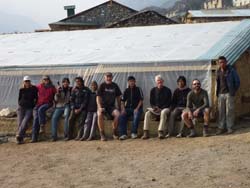
-
Testimonial Overview: Ian Thwaity, Australia
This testimonial is provided by Ian Thwaity from Australia, who has worked closely with Dammaru Prasad Niraula, a freelance trekking guide and trip leader from Nepal, over a period of three years. Through multiple treks and a…
-
Dear Dammaru I have been trekking to Ghorepani poon hill on Jan 07 for 6 days with Mr. Dammaru. Poonhill is so beautiful, so all I can do is just taking pictures on poon hill. If you were planning to trek in Nepal, I…
-
Overview: Philip Pomeroy Holcot, Northamptonshire, UK.
Introduction: A Memorable Journey to the Annapurna Circuit
In 2004, I was fortunate to join a close-knit group of nine friends from Northamptonshire in the United Kingdom on the Annapurna Circuit Trek in Nepal. Together, we set out on what became one of…
-
Overview: Peter Smith & Jane Fairlie,
South Australia Ghorepani–Ghandruk Trek, Nepal (October 2006)
Introduction:
The
-
Testimonial from Bell Howse with the Hothouse Group Australia
Dammaru Niraula was our guide and confidant for our recent visit to Nepal. We went on a humanitarian visit to build a hothouse in the village of Phortse in the Khumbu region of Nepal but also included some trekking on a personal level before and after our project. Dammaru was a vital link in getting the project off the ground and then as a support person in Nepal before, during, and after. He completed the following tasks with the utmost professionalism and patience. Arranged the transfer of a large number of funds from an Australian bank account to a Nepalese bank account. Communications with the village before we arrived to ensure the walls were built. Organized our itinerary and necessary bookings for the trekking part of our journey for 8 adults. Once we arrived in Nepal, he then assisted us in purchasing all the gear we needed for the finishing of the hothouse. e.g., polycarbonate roof sheeting and the many other bits of hardware necessary. Transport of the roofing, etc., to Phortse village via helicopter, plane, yak, and porter. As well as being a part of the project, Dammaru also was our trekking guide for the duration of our trip of 5 weeks. He organized everything for us from the hotel in Kathmandu and everything in between our trek to base camp. He is honest and reliable and always puts the customer first. I would have no hesitation in recommending Dammaru to anyone who is considering a trip to Nepal.
-
Testimonial Overview: Ian Thwaity, Australia
This testimonial is provided by Ian Thwaity from Australia, who has worked closely with Dammaru Prasad Niraula, a freelance trekking guide and trip leader from Nepal, over a period of three years. Through multiple treks and a major humanitarian project in the Solu Khumbu region, Ian experienced Dammaru’s leadership, professionalism, and personal integrity firsthand.
Long-Term Association with Dammaru Niraula
I have had an association with Dammaru Niraula over the last three years, during which time I completed two significant trekking journeys under his guidance. From the very beginning, it was clear that Dammaru was not only an experienced trekking guide but also someone deeply committed to responsible trekking, safety, and community welfare.
Our relationship developed through shared challenges in remote Himalayan terrain and through collaboration on a long-term community project. Over time, trust and respect naturally grew, based on his consistent performance and genuine character.
First Trek Experience: Gokyo–Phortse–Everest Base Camp
My first trek with Dammaru Niraula was in the Solu Khumbu region, following a thoughtfully designed route through Gokyo, Phortse, and Everest Base Camp. This area is known for its rugged landscapes, traditional Sherpa settlements, and dramatic high-mountain scenery. From the outset, our group requested an itinerary that avoided the main tourist trails wherever possible and included more remote and less-traveled sections of the region.
Dammaru carefully tailored the trek to meet these expectations. His planning reflected a deep understanding of local geography, seasonal weather patterns, altitude considerations, and logistical challenges. The chosen route allowed us to cross quieter trails and experience a more authentic side of the Himalayas, while still reaching iconic destinations such as Gokyo and Everest Base Camp.
Throughout the journey, his knowledge of the region was evident in every decision. The balance between adventure, safety, and cultural exposure was handled with great care. By keeping us away from crowded trekking corridors whenever possible, Dammaru delivered a trekking experience that felt personal, peaceful, and deeply connected to the landscape and communities of the Solu Khumbu.
Knowledge, Planning, and Safety Management
Throughout the first trek, Dammaru’s knowledge of the area was extremely impressive. He was always aware of trail conditions, weather changes, altitude considerations, and potential risks. Safety was never treated casually. It was always his highest priority.
He monitored our health daily, adjusted walking pace when necessary, and made decisions that balanced adventure with responsibility. His calm and confident leadership created a strong sense of trust within the group. At no point did we feel rushed or exposed to unnecessary risk.
Second Trek: A Humanitarian Hothouse Project
The second trek I undertook with Dammaru took place two years later and was far more complex in nature. This journey marked the culmination of a long-term humanitarian project aimed at building hothouses in a village deep in the Solu Khumbu region, specifically in Phortse. The project is associated with www.himalyanhothouse.org.
This trek was not only about reaching a destination. It involved transporting materials, coordinating people, and working closely with a local community to ensure the success of the project.
Pivotal Role in Project Development
Dammaru played a pivotal role in every stage of the hothouse project. He assisted in developing local contacts, sourcing construction materials, and helping to manage project finances. His local knowledge and trusted relationships were essential to moving the project forward.
During the preparation phase, we found Dammaru to be honest, prompt, and extremely hardworking. He understood our goals clearly and showed flexibility and problem-solving skills whenever challenges arose. His commitment to the project went well beyond his duties as a trekking guide.
Coordination and Leadership During the Trek
During the trek itself, Dammaru coordinated seven group members, six porters, and an additional climbing guide. Managing such a team in remote mountain conditions requires strong organizational skills, patience, and clear communication.
He handled logistics smoothly, ensured fair treatment of porters, and maintained group morale throughout the journey. His leadership ensured that both trekking objectives and project responsibilities were completed efficiently and safely.
Interpreter and Community Liaison in Phortse
One of Dammaru’s most valuable contributions was his role as an interpreter and liaison with the people of Phortse village. Communication with local residents was essential for the success of the hothouse project.
Dammaru bridged cultural and language gaps with sensitivity and respect. He ensured that the villagers fully understood the project and that our group respected local customs and traditions. This cooperation created trust and long-term value for the community.
Personal Character and Humanitarian Values
On a personal level, Dammaru is one of the most genuine individuals I have met. He is a man with a big heart and a sincere commitment to helping others. He shared our passion for the hothouse project and fully embraced its humanitarian ideals.
His motivation was not financial or personal recognition. Instead, it was driven by service, responsibility, and care for both clients and local communities. These qualities are rare and deeply admirable.
Consistent Focus on Safety and Care
Once again, throughout the entire trek, our safety was Dammaru’s primary concern. Whether dealing with weather changes, physical fatigue, or logistical challenges, he always placed the well-being of the group first.
This consistent focus on safety, combined with his calm demeanor, created an environment where we could fully trust his decisions and enjoy the experience.
Professional Philosophy: “Service Is Most Important”
A phrase often used by Dammaru perfectly summarizes his professional ethic:
“Service is most important.”This philosophy is reflected in every aspect of his work. From trek planning and execution to community engagement and client care, his actions consistently align with this belief.
Final Recommendation
I would not hesitate to strongly recommend the services of Dammaru Prasad Niraula to anyone planning a trek or similar activity in Nepal. Whether your goal is adventure, exploration, or humanitarian work, Dammaru offers professionalism, integrity, and heartfelt commitment.
Working with him is not just about trekking in the Himalayas. It is about shared values, mutual respect, and meaningful experiences that leave a lasting impact.
-
Dear Dammaru
I have been trekking to Ghorepani poon hill on Jan 07 for 6 days with Mr. Dammaru. Poonhill is so beautiful, so all I can do is just taking pictures on poon hill. If you were planning to trek in Nepal, I would recommend you as one choice. His personality and professional guide skill makes me fun of Trekking and Nepal. so I am planning to go to Nepal again this August. He may meet all demand of you request on your trekking trip even though you join in the big group. Because he has more over 10 years experience of trekking guide for Many English and Japanese speaker. Actually, I have never met such a good Japanese speaker guide and I had no chance to speak in English with him.
I can recommend him to all people who need great experience guide with English or Japanese.
so you can get satisfaction for a great guide.
Very Thanks,
-
Overview: Philip Pomeroy Holcot, Northamptonshire, UK.
Introduction: A Memorable Journey to the Annapurna Circuit
In 2004, I was fortunate to join a close-knit group of nine friends from Northamptonshire in the United Kingdom on the Annapurna Circuit Trek in Nepal. Together, we set out on what became one of the most memorable journeys of our lives. For many of us, this trek was a lifelong ambition rather than a casual holiday. The Annapurna Circuit Trek was already renowned as one of the world’s classic long-distance routes. It was celebrated for its dramatic mountain scenery, rich cultural encounters, and demanding terrain.
Our journey, however, carried added challenges. Most members of our group were approaching, or had already passed, the age of sixty. We knew the trek would test not only our physical strength but also our mental resilience. Adapting to high-altitude conditions would be essential. From the very beginning, we understood that success would depend on expert guidance, careful pacing, and a deep respect for the mountains.
Understanding the Challenge of Age and Altitude
Apart from one younger member, our group consisted mainly of trekkers in their late fifties and sixties. Although we were all reasonably fit and experienced walkers, we never underestimated the challenges ahead, especially the crossing of Thorong La Pass. Thorong La rises to an altitude of 5,416 meters (17,769 feet) and ranks among the highest trekking passes in the world. We understood that altitude sickness can affect anyone, regardless of fitness, and that age can increase vulnerability if proper acclimatization does not take place. Long before we arrived in Nepal, we discussed these risks openly and prepared ourselves mentally for the possibility that not everyone might be able to complete the trek. This awareness made us especially conscious of the importance of choosing the right leader—someone with both technical knowledge and genuine concern for the wellbeing of every group member.Leadership Under Dammaru Niraula
Our group was led by Dammaru Niraula, a name that has remained deeply etched in our memories ever since. From our first meeting with him, it was clear that he possessed qualities far beyond basic guiding skills. He carried himself with quiet confidence, never seeking attention yet commanding respect through his calm presence and thoughtful approach. Dammaru did not treat us as clients on a fixed schedule; instead, he regarded us as individuals, each with different strengths, limitations, and expectations. His leadership style was reassuring rather than authoritative, which immediately put us at ease. For a group of older trekkers stepping into an unfamiliar environment, this sense of trust was invaluable.Gentle Introduction to Lower Altitudes
One of the most impressive aspects of Dammaru’s leadership was the way he introduced us gradually to trekking in the Himalayas. The early stages of the Annapurna Circuit were approached with deliberate care. Rather than pushing us hard from the outset, he allowed our bodies time to adapt to the increasing altitude and daily walking routines. Distances were manageable, rest breaks were well timed, and overnight stops were chosen thoughtfully. Dammaru constantly observed how each member of the group was coping, adjusting the pace when necessary and offering quiet encouragement when fatigue began to show. This gentle introduction built both physical strength and group confidence, laying a strong foundation for the more demanding days ahead.Progression to Longer and More Arduous Days
As the trek progressed and our confidence grew, Dammaru gradually encouraged us to take on longer and more challenging days. This progression felt natural rather than forced. By the time the terrain became steeper and the air thinner, we were better prepared both physically and mentally. Dammaru had an exceptional ability to judge when to push gently and when to hold back. He never allowed competitiveness or pride to override common sense. Instead, he emphasized steady progress, proper hydration, and attentive listening to one’s own body. This balanced approach ensured that even the more demanding stages of the trek felt achievable rather than overwhelming.Acclimatization at Manang
Our stay in Manang proved to be a pivotal moment in the success of the entire trek. Recognizing the importance of acclimatization before attempting Thorong La, Dammaru strongly encouraged us to spend an extra day there. Rather than resting passively, he organized a day hike up the lower slopes of Gangapurna and Annapurna III. This acclimatization walk allowed our bodies to adjust gradually to higher elevations while still returning to a lower altitude for the night. The views were breathtaking, but more importantly, the hike played a crucial role in preparing us safely for what lay ahead.Altitude Safety Awareness
Following the acclimatization hike in Manang, Dammaru encouraged us to attend an altitude safety lecture. This session was both informative and reassuring. We learned to recognize the early signs of altitude sickness, understood the importance of reporting symptoms honestly, and gained clarity on why gradual ascent was essential. Dammaru reinforced these lessons throughout the trek, regularly checking in with each of us and never dismissing even minor concerns. His commitment to altitude safety was unwavering, and it became increasingly clear that our well-being was always his highest priority.Successfully Crossing Thorong La
As we approached Thorong La, the significance of Dammaru’s careful planning became fully apparent. The pass was demanding, both physically and mentally, but thanks to proper acclimatization and steady pacing, every member of our group was able to cross successfully. We knew that altitude sickness forces many trekkers to turn back or descend. Without Dammaru’s attentive guidance, we believe some of us might have faced the same outcome. Standing on the summit of Thorong La marked a moment of profound achievement. Expert leadership and genuine care made that success possible.Gratitude to Dammaru and His Sherpa Team
We remain eternally grateful to Dammaru and his team of Sherpas, whose quiet efficiency and constant support played an essential role in our success. Their teamwork, professionalism, and warmth created a positive atmosphere throughout the trek. Like many Nepalese, Dammaru possesses a gentle and respectful nature, combined with a subtle but delightful sense of humor. His ability to lift spirits during difficult moments added an invaluable human touch to the journey.Personal Qualities and Professional Excellence
At first, Dammaru may seem shy and reserved. This impression soon fades as you see how carefully he looks after his guests. He has a remarkable ability to judge individual temperaments and physical limits. When needed, he adjusts the itinerary smoothly and without drawing attention to the change. After only a few days under his guidance, it becomes clear that you are in the care of an experienced and highly capable mountain professional. His strength lies not only in his deep knowledge of the terrain, but also in his empathy and patience.Final Recommendation
I cannot recommend Dammaru Niraula highly enough. Our experience on the Annapurna Circuit was greatly enriched by his leadership. Our safe and successful crossing of Thorong La stands as a clear testament to his expertise. I am confident he will continue to provide outstanding trekking services in the Himalayas for many years. For anyone seeking a guide who combines professionalism, safety, compassion, and deep local knowledge, Dammaru Niraula represents the very best of Nepal’s mountain guiding tradition.
-
Overview: Peter Smith & Jane Fairlie,
South Australia Ghorepani–Ghandruk Trek, Nepal (October 2006)
Introduction:
The Ghorepani–Ghandruk Trek, Nepal, was the journey we had dreamed of for our first visit to the Himalayas in October 2006. From the very beginning, we wanted to experience Nepal in a personal and meaningful way, avoiding large tour groups and opting for a customized trekking adventure. We were eager to connect with the landscape, explore traditional villages, and meet local communities along the way. After careful research online and speaking with previous trekkers, the Ghorepani–Ghandruk Trek, Nepal, stood out for its stunning mountain views, rich cultural experiences, and a thoughtfully paced itinerary perfect for first-time trekkers.
Choosing a Customized Trekking Company
Before leaving, we spent weeks researching trekking options online, reading reviews, and speaking with travelers who had completed the Ghorepani–Ghandruk Trek, Nepal. We sought a company that specialized in personalized tours rather than mass-group treks. This led us to Himalayan Holidays, based in Kathmandu. Their reputation for organizing tailored experiences reassured us that the Ghorepani–Ghandruk Trek, Nepal, would meet our expectations and provide a memorable adventure.
Physical Preparation and Fitness Concerns
Living in a flat region meant that preparing for the Ghorepani–Ghandruk Trek, Nepal, was a real challenge. We improvised by walking up and down a 700-meter hill on weekends, hoping it would prepare us for the trek’s climbs. Even with this preparation, we were anxious about altitude, long walking days, and our endurance for the Ghorepani–Ghandruk Trek, Nepal.
Meeting Our Guide: Dammaru Niraula
Upon arrival in Kathmandu, we met our guide, Dammaru Niraula. From the first meeting, our concerns melted away. Dammaru’s calm confidence and deep knowledge made us feel secure about our upcoming adventure. He listened carefully to our worries and reassured us that the Ghorepani–Ghandruk Trek, Nepal could be adjusted to match our fitness levels. His focus on safety, comfort, and enjoyment ensured that every day of the Ghorepani–Ghandruk Trek, Nepal, was a perfect blend of adventure, culture, and relaxation.
Managing the Trekking Pace with Care
Once the trek began, Dammaru demonstrated exceptional skill in managing the daily walking pace. Without being overly noticeable, he carefully controlled the tempo so that the enjoyment factor always exceeded any physical discomfort. Rest stops were well timed, days were sensibly planned, and the overall rhythm of the Ghorepani–Ghandruk Trek, Nepal, felt natural rather than forced. We never felt rushed, pressured, or exhausted beyond our comfort level. This thoughtful pacing allowed us to fully appreciate the stunning scenery along the Ghorepani–Ghandruk trails.
Genuine Connection with Local Communities
One of the most memorable aspects of trekking with Dammaru was his genuine relationship with local people. His interactions with villagers, lodge owners, and tea house staff were warm, respectful, and authentic. Because of this, we never felt like intruders along the Ghorepani–Ghandruk Trek, Nepal. We felt welcomed and at ease wherever we went, and these interactions enriched our experience, giving us a deeper understanding of daily life along the trek.
Tea House Arrangements and Comfort
After a long day on the trail, the ability to rest and recover quickly becomes essential. Throughout the Annapurna Circuit Trek, Dammaru’s strong relationships and negotiation skills with local teahouse owners made a noticeable difference. Upon arrival each afternoon, our accommodation was already arranged, clean, and appropriate for our group’s age and comfort requirements. This efficiency removed unnecessary stress and allowed us to settle in without delay.
Rooms were chosen with care, often positioned away from noise and cold drafts, ensuring better sleep at altitude. Dammaru also paid close attention to dining arrangements, encouraging warm, nourishing meals and adequate hydration. His calm presence and thoughtful planning created a sense of security at the end of each day. These seemingly small details greatly enhanced our overall trekking experience. They allowed us to conserve energy, recover properly, and face the following day’s walk with renewed confidence and enthusiasm.
Efficient Organization and Meals
Professionalism and Knowledge Throughout the Trek
Dammaru’s professionalism was faultless from start to finish. Throughout the trek, he shared a wealth of information about Nepal’s history, culture, flora, and fauna. His explanations helped us understand not only the landscape but also the traditions and daily lives of the people along the Ghorepani–Ghandruk Trek, Nepal. This knowledge transformed the trek from a simple walking holiday into an educational and culturally rich experience.
Personality, Humor, and Companionship
Beyond his guiding skills, Dammaru was a delightful traveling companion. His cheeky grin and sense of humor brought lightness and laughter to each day, even during challenging moments on the trail. He balanced professionalism with friendliness perfectly. Conversations flowed easily, laughter was frequent, and his presence made the Ghorepani–Ghandruk Trek, Nepal, feel relaxed, enjoyable, and memorable.
Overall Experience and Lasting Impression Our dealings with Dammaru exceeded all expectations. Every concern we had before arriving in Nepal was addressed with patience, skill, and genuine care. We felt safe, supported, and well looked after throughout the entire Ghorepani–Ghandruk trek. The experience was challenging in a rewarding way and deeply enriching on both a personal and cultural level. Nepal left a lasting impression on us, not only because of its natural beauty but also because of the way we were guided through it.Final Reflections and Recommendation
The Ghorepani–Ghandruk Trek, Nepal, gave us an unforgettable introduction to the Himalayas and the rich culture of Nepal. From breathtaking mountain views to charming villages along the trail, every moment of the trek felt enriched by our guide’s expertise and care. Dammaru Niraula’s professionalism and attention to detail stood out throughout the journey. His friendly guidance ensured that our trek through Nepal’s Ghorepani–Ghandruk region remained safe and enjoyable.
He carefully managed the walking pace and arranged accommodations efficiently. He also helped us connect genuinely with local communities. These efforts made the Ghorepani–Ghandruk Trek in Nepal smooth, memorable, and deeply rewarding. Nepal’s natural beauty only enhanced the experience.
Nepal’s beauty is undeniable, but traveling with the right guide transforms the journey into something extraordinary. We left with lasting memories, new friendships, and a profound appreciation for the Himalayas. We would wholeheartedly recommend Dammaru Niraula to anyone planning the Ghorepani–Ghandruk Trek, Nepal, confident that he will make their adventure just as remarkable as ours.
Recent News and events
-
Pakistan’s tragic avalancheAug-4-2026NEWS & EVENTS Rasuwagadhi Border Closed for Kailash Tour Due to Heavy Rain—Transportation Now Diverted via… Aug-7-2025
© 2026 Nepal Freelance guide | All rights reserved Website by: BESTNEPAL
