Thanks to his experience and strong relationships with local lodge owners, we spent very little time between arriving at a lodge and relaxing after the day’s challenges. Comfortable rooms, well-planned meals, and the chance to rest fully each evening greatly enhanced our enjoyment of the Ghorepani–Ghandruk Trek in Nepal. Dammaru’s careful attention to these details made each day’s end as rewarding as the trekking itself.
Frequently Asked Questions
Frequently Asked Questions
Nepal Freelance Guide—Frequently Asked Questions (FAQ)
Nepal is a land of mesmerizing landscapes, ancient cultures, and epic trekking routes. Hiring a freelance guide can significantly enhance your travel experience by offering a personalized, flexible, and cost-effective journey. Whether you're a solo traveler or a group adventurer, here are the most frequently asked questions about hiring a freelance guide in Nepal:
1. Who is a freelance guide in Nepal?
A freelance guide in Nepal is a licensed and independent trekking or tour guide who is not permanently employed by a specific travel company. These guides operate on a freelance basis and are typically self-employed or contracted by travelers directly. They offer professional guiding services on various treks, tours, and cultural excursions throughout Nepal.
Many freelance guides have years of experience working with reputable companies before choosing to work independently. They often speak good English, are knowledgeable about local customs, and can tailor the trip based on your interests and pace.
2. Is it legal to hire a freelance guide in Nepal?
Yes, it is legal to hire a freelance guide in Nepal if the guide is licensed by the Nepal Tourism Board (NTB) or the Trekking Agencies’ Association of Nepal (TAAN). Always verify the guide’s credentials before hiring. A licensed guide should have a valid ID card issued by the Nepal Government, which includes their registration number and area of expertise.
However, starting in 2023, new regulations stipulate that foreign trekkers must be accompanied by a registered guide in most trekking regions, primarily for safety reasons. This rule makes hiring a qualified freelance guide even more essential for independent trekkers.
3. What are the benefits of hiring a freelance guide?
Hiring a freelance guide offers several advantages:
Cost-effectiveness: Without a middleman or agency overhead, freelance guides usually charge lower fees.
Personalized experience: You can plan your itinerary, pace, and activities directly with the guide.
Local expertise: Freelance guides often have deep local knowledge and strong connections in the villages.
Cultural immersion: They can provide more genuine insights into Nepali lifestyle, culture, and traditions.
Flexible schedule: Freelance guides are generally more adaptable to changes in travel plans.
4. What qualifications should I look for in a freelance guide?
Before hiring a freelance guide, consider the following qualifications:
Government-issued guide license, Fluency in English (or your preferred language). First aid or emergency response training. Experience in the specific trekking region you plan to visit. Good client reviews or references. Knowledge of flora, fauna, geography, and local culture
If your trek involves high altitudes or technical challenges, ensure your guide has prior experience on similar routes and can handle emergency situations.
5. How much does it cost to hire a freelance guide in Nepal?
Freelance guide rates vary depending on the region, trek duration, and experience level of the guide. On average:
Low-altitude or short treks (1–5 days): USD 25–35 per day, Moderate treks (6–12 days): USD 30–40 per day. High-altitude or remote treks (12+ days): USD 35–50+ per day
The daily fee usually includes the guide’s salary, meals, accommodation, and insurance, though you should confirm in advance.
6. How do I find a reliable freelance guide in Nepal?
There are several ways to find and hire a reliable freelance guide:
Referrals from fellow travelers on platforms like TripAdvisor or travel forums
Online freelance guide platforms and social media groups
Direct inquiries through local trekking associations (TAAN, NTB)
Travel blogs and YouTube vlogs often recommend guides they've hired
Reputable travel companies may connect you with freelance guides for custom or private trips
When contacting a guide, ask for their license number, references, and detailed experience in the trek you're planning.
7. What’s included in a freelance guide’s service?
Typically, a freelance guide’s service includes:
Trekking guidance and route navigation, Assistance with permits (like TIMS and National Park permits), Cultural and historical explanations. Help arrange accommodation and meals during the trek. Basic first aid in emergencies. Liaising with local communities
However, transportation, accommodation, meals, permits, and porter services may or may not be included. Always clarify what's covered in the fee before booking.
8. Do I need a porter in addition to a freelance guide?
It depends on your trekking route and physical condition. If you are trekking in high-altitude or rugged regions like Everest Base Camp, Manaslu, or Kanchenjunga, hiring a porter is highly recommended. Porters help carry your gear, allowing you to enjoy the trek without being weighed down.
Some freelance guides also double as guide-porters, especially on shorter or less demanding treks. Guide-porters usually charge a slightly higher rate (USD 35–40/day), but you save on hiring two separate people.
9. How do I pay a freelance guide?
Most freelance guides accept payment in
Cash (USD, Euro, or Nepali Rupees)
Bank transfers (Nepali bank accounts)
Digital wallets (e.g., eSewa or Khalti for local users)
A common practice is to pay 20–30% upfront to confirm the booking and the rest upon arrival or at the end of the trek. Always get a written or digital agreement outlining the terms of payment and services.
10. Are freelance guides insured?
Not all freelance guides have personal insurance, so it’s crucial to ask. Responsible freelance guides usually carry:
Travel and accident insurance
Public liability insurance
As a traveler, you should also have comprehensive travel insurance that covers high-altitude trekking, helicopter evacuation, medical emergencies, and trip cancellations. This ensures both you and your guide are protected in case of unexpected events.
11. What permits do I need, and can the freelance guide arrange them?
Most treks in Nepal require at least one or more of the following permits:
TIMS (Trekkers’ Information Management System) card, National Park or Conservation Area Permit. Restricted Area Permits (for areas like Upper Mustang, Manaslu, or Dolpo)
A licensed freelance guide can usually assist in arranging all necessary permits. Some restricted regions require guides to be affiliated with a registered trekking agency, so freelance guides in those areas may need to collaborate with an agency to process your permits.
12. Can I customize the itinerary with a freelance guide?
Absolutely. One of the biggest benefits of hiring a freelance guide is flexibility. You can:
-
Choose your start and end dates
-
Adjust the trek duration
-
Select specific cultural or scenic spots to visit
-
Travel at your own pace
This freedom is especially beneficial for travelers with unique needs or limited time.
13. What if I have to cancel the trek?
Cancellation policies vary by guide, but many offer partial refunds depending on the timing.
-
100% refund for cancellations made 2 weeks or more in advance
-
50% refund for cancellations 1–2 weeks in advance
-
No refund for last-minute cancellations (within 48–72 hours)
Always ask for the cancellation and refund policy in writing to avoid misunderstandings.
14. Are freelance guides responsible for emergency situations?
Freelance guides are trained to handle basic emergencies, including altitude sickness, injuries, or natural hazards. Their responsibilities typically include
Assessing and addressing minor medical issues. Arranging emergency evacuations (helicopter or mule, if necessary). Guiding you to the nearest health post or emergency center. However, ultimate responsibility lies with the traveler, especially when trekking in remote regions. Having travel insurance with emergency evacuation is crucial.
15. Can I tip a freelance guide?
Yes, tipping is customary and appreciated. Although it's not mandatory, tips are a token of appreciation for the guide’s effort. The average tipping rate is:
USD 5–10 per day per person for a freelance guide
USD 3–6 per day per person for a porter
Tips should be given at the end of the trek and can be adjusted based on service quality.
Conclusion
Hiring a freelance guide in Nepal is one of the best ways to experience the Himalayas up close and personally. Whether you’re trekking to Everest Base Camp, exploring the Annapurna region, or visiting remote cultural sites, a freelance guide adds immense value through their local knowledge, flexibility, and cost-effective service.
Just remember to verify credentials, discuss services in detail, and maintain clear communication. With the right freelance guide, your Nepal trekking journey will be safe, insightful, and unforgettable.
If you need help finding a professional and licensed freelance guide in Nepal, The Himalayan Realms Treks and Expedition Nepal Pvt. Ltd. can assist you in connecting with experienced individuals who align with your travel goals.
Frequently Asked Questions – Nepal Travel Overview
Introduction
Traveling to Nepal is a dream for adventurers, nature lovers, and cultural explorers. Nepal is a land of high mountains, fertile valleys, and warm people. It sits between India and China, with the Himalayas rising to the north and the Terai plains stretching in the south. Visitors come to see Everest, Annapurna, Langtang, and many other peaks. Others arrive to visit temples, old towns, and Buddhist monasteries.
Wildlife lovers also find Nepal exciting, as rhinos, tigers, and many bird species thrive in its national parks. Furthermore, Nepal has something for every traveler. Some come to trek to Everest Base Camp, while others enjoy the rich culture of Kathmandu, Bhaktapur, and Patan. In addition, pilgrims visit Lumbini, the birthplace of Buddha, or make their way to sacred temples such as Muktinath.
All these journeys start with questions. What permits are needed? What is the food like in the mountains? Do I need insurance? These are common concerns.”
Do you have a satellite phone?
No, I do not carry a satellite phone. However, most hotels in mountain areas now have one. If there is an emergency, we can call from the hotel. I also carry a mobile phone. Reception is now available in many villages in the trekking areas. While not perfect, it is often possible to make contact when needed.
What happens if we need a helicopter rescue?
We can arrange a helicopter rescue if it becomes necessary. This is possible as long as you have travel insurance that covers it. Helicopters are the fastest way to descend from high altitude in case of illness or accident. For safety, we always recommend insurance that includes emergency evacuation.
Do you know how to avoid AMS (Acute Mountain Sickness)?
Yes, this is one of the most important topics for trekking in Nepal. The key rule is to ascend slowly. Most itineraries are designed with gradual altitude gain, usually around 300 meters per night. This allows the body to adjust. We also include acclimatization days in the plan. Drinking plenty of water, resting when needed, and avoiding alcohol also help. If these steps are followed, the chance of getting AMS is much lower.
What is the standard of food and accommodation in the trekking areas?
In the mountains, food and lodging are basic but good. Above 3000 meters, the meals are usually vegetarian. This is because meat cannot be kept fresh at such heights. We advise against eating meat there. Simple dishes like rice, noodles, lentils, vegetables, and soups are common. They are filling, tasty, and safe.
Accommodation is in lodges, called teahouses. Rooms are clean and comfortable, though not luxurious. I always choose lodges with good hygiene standards. This reduces the risk of food or water-related problems. In the cities, you can choose from budget to five-star hotels depending on your preference.
How much weight will a porter carry?
You only need to carry a small daypack with personal items, like your water bottle, camera, and jacket. The porter will carry the rest of your luggage. The recommended weight for one porter is 20–30 kg. To make travel easier, please keep your luggage within this limit.
How much extra money will we need during trekking?
You should bring some extra cash for personal spending. About $10 per day is enough for small items like tea, coffee, soft drinks, or chocolate. If you plan to buy souvenirs, you may need more.
Is it safe to book with a freelance trekking guide in Nepal?
Yes, it is safe if the guide is licensed. Licensed guides are trained by the government and must follow strict rules. Always ask to see the license number of your guide or agency. A professional guide ensures safety and reliable service.
How do I get to my hotel from the airport?
We provide airport pickup for all clients. If I am guiding a trek when you arrive, my assistant will meet you. He will hold a sign with your name and our trekking company name. It is best to follow only him and not accept offers from strangers at the airport.
What types of accommodation do you provide in Kathmandu?
Kathmandu has many hotels, from simple guesthouses to luxury five-star properties. The choice depends on your budget. We can arrange any type of accommodation you prefer.
What about drinking water in the trekking areas?
Safe drinking water is very important. On teahouse treks, bottled mineral water is available for purchase. On camping trips, we provide boiled or chemically treated water. Do not drink untreated water from taps or streams. Always make sure the water is bottled, filtered, boiled, or purified.
Is the trekking area safe for tourists?
Yes, Nepal is safe for travelers. Your safety is always our first concern.
Adventure travel does involve some risks; however, political problems of the past have largely been resolved. As a result, trekking routes are now open and safe.
How strenuous are the trips, and am I fit enough?
Trips vary in difficulty. Some are easy cultural tours, whereas others are very challenging high-altitude treks. Naturally, the fitter you are, the more you will enjoy your trip. Therefore, it is important to check the grading of your chosen trek. If it is labeled ‘strenuous’ or ‘challenging,’ be prepared for a physically demanding experience.
What will the weather be like?
The weather in Nepal can change quickly. We plan trips during the best seasons, usually spring (March to May) and autumn (September to November). These months give clear skies and comfortable temperatures. Even then, weather can vary, so always be prepared.
What happens if I get sick during the trek?
We carry a well-stocked medical kit on all treks. For serious cases, helicopter evacuation is possible if you have insurance. On the other hand, minor issues such as stomach upsets, headaches, or muscle aches are common but usually not serious. However, altitude sickness can be dangerous. To prevent it, ascend slowly, drink plenty of water, and, if needed, sleep at lower elevations. Additionally, if you feel unwell, inform your guide immediately and do not hide any symptoms. In many cases, descending just a few hundred meters is enough to recover.
What is included in the trip cost?
Trips usually include transport, accommodation, meals during trekking, guides, porters, and sightseeing as mentioned in the itinerary. Not included are international flights, visas, insurance, and personal expenses. Always check what is included before booking.
What if I take more or less time than planned?
Trekking is not about rushing. It is about enjoying the journey.
If weather or health requires changes, we adjust the plan accordingly. You can settle any extra costs after the trek. Flexibility is an essential part of mountain travel.”
“What are the trip leaders like?”
“We select our leaders for their experience, knowledge, and personality. They are friendly, resourceful, and trained to handle any situation. Their goal is to make your trip safe and enjoyable.
How should I treat my porter?
Porters work very hard. Many are students or men with young families. They carry heavy loads for days at a time. Please treat them with respect. A kind word, a small gift, or buying them a cup of tea makes a big difference. Remember, porters can also suffer from altitude sickness. Always look after them as they look after you.
How much money should I bring?
This depends on your spending style. In cities, you may want money for meals not included, souvenirs, or optional tours. On treks, $10 a day for extras is enough. Bring some USD and Nepalese rupees.
Will there be credit card facilities?
In Kathmandu and Pokhara, most hotels and shops accept cards. Whether you walk among the peaks, explore ancient temples, or meet local families in small villages, Nepal will stay in your heart forever. Furthermore, its beauty, culture, and hospitality will continue to inspire you long after your journey ends, and as a result, you may find yourself drawn back to its mountains, valleys, and sacred sites time and again
Final Thoughts
Traveling to Nepal is a special experience. The mountains are majestic, the culture is rich, and the people are welcoming. Good planning makes the journey smoother. This FAQ guide covers the most common concerns. From visas to safety, food to altitude, you now have the key information you need.
With preparation and guidance, you can relax and enjoy your adventure. Whether you walk among the peaks, explore ancient temples, or meet local families in small villages, Nepal will stay in your heart forever. Furthermore, its beauty, culture, and hospitality will continue to inspire you long after your journey ends, and as a result, you may find yourself drawn back to its mountains, valleys, and sacred sites time and again
our testimonials
-
Testimonial from Bell Howse with the Hothouse Group Australia
Dammaru Niraula was our guide and confidant for our recent visit to Nepal. We went on a humanitarian visit to build a hothouse in the village of Phortse in the Khumbu region of Nepal but also included some trekking on a personal level before and after our project.…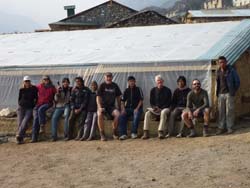
-
Testimonial Overview: Ian Thwaity, Australia
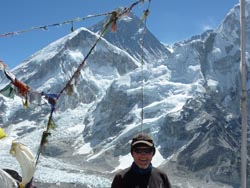
This testimonial is provided by Ian Thwaity from Australia, who has worked closely with Dammaru Prasad Niraula, a freelance trekking guide and trip leader from Nepal, over a period of three years. Through multiple treks and a…
-
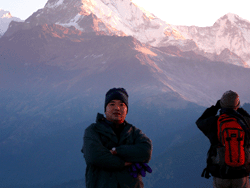
Dear Dammaru I have been trekking to Ghorepani poon hill on Jan 07 for 6 days with Mr. Dammaru. Poonhill is so beautiful, so all I can do is just taking pictures on poon hill. If you were planning to trek in Nepal, I…
-
Overview: Philip Pomeroy Holcot, Northamptonshire, UK.
Introduction: A Memorable Journey to the Annapurna Circuit
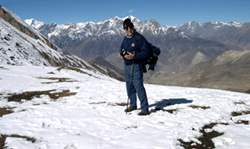
In 2004, I was fortunate to join a close-knit group of nine friends from Northamptonshire in the United Kingdom on the Annapurna Circuit Trek in Nepal. Together, we set out on what became one of…
-
Overview: Peter Smith & Jane Fairlie,
South Australia Ghorepani–Ghandruk Trek, Nepal (October 2006)
Introduction:
The
-
Testimonial from Bell Howse with the Hothouse Group Australia
Dammaru Niraula was our guide and confidant for our recent visit to Nepal. We went on a humanitarian visit to build a hothouse in the village of Phortse in the Khumbu region of Nepal but also included some trekking on a personal level before and after our project. Dammaru was a vital link in getting the project off the ground and then as a support person in Nepal before, during, and after. He completed the following tasks with the utmost professionalism and patience. Arranged the transfer of a large number of funds from an Australian bank account to a Nepalese bank account. Communications with the village before we arrived to ensure the walls were built. Organized our itinerary and necessary bookings for the trekking part of our journey for 8 adults. Once we arrived in Nepal, he then assisted us in purchasing all the gear we needed for the finishing of the hothouse. e.g., polycarbonate roof sheeting and the many other bits of hardware necessary. Transport of the roofing, etc., to Phortse village via helicopter, plane, yak, and porter. As well as being a part of the project, Dammaru also was our trekking guide for the duration of our trip of 5 weeks. He organized everything for us from the hotel in Kathmandu and everything in between our trek to base camp. He is honest and reliable and always puts the customer first. I would have no hesitation in recommending Dammaru to anyone who is considering a trip to Nepal.
-
Testimonial Overview: Ian Thwaity, Australia
This testimonial is provided by Ian Thwaity from Australia, who has worked closely with Dammaru Prasad Niraula, a freelance trekking guide and trip leader from Nepal, over a period of three years. Through multiple treks and a major humanitarian project in the Solu Khumbu region, Ian experienced Dammaru’s leadership, professionalism, and personal integrity firsthand.
Long-Term Association with Dammaru Niraula
I have had an association with Dammaru Niraula over the last three years, during which time I completed two significant trekking journeys under his guidance. From the very beginning, it was clear that Dammaru was not only an experienced trekking guide but also someone deeply committed to responsible trekking, safety, and community welfare.
Our relationship developed through shared challenges in remote Himalayan terrain and through collaboration on a long-term community project. Over time, trust and respect naturally grew, based on his consistent performance and genuine character.
First Trek Experience: Gokyo–Phortse–Everest Base Camp
My first trek with Dammaru Niraula was in the Solu Khumbu region, following a thoughtfully designed route through Gokyo, Phortse, and Everest Base Camp. This area is known for its rugged landscapes, traditional Sherpa settlements, and dramatic high-mountain scenery. From the outset, our group requested an itinerary that avoided the main tourist trails wherever possible and included more remote and less-traveled sections of the region.
Dammaru carefully tailored the trek to meet these expectations. His planning reflected a deep understanding of local geography, seasonal weather patterns, altitude considerations, and logistical challenges. The chosen route allowed us to cross quieter trails and experience a more authentic side of the Himalayas, while still reaching iconic destinations such as Gokyo and Everest Base Camp.
Throughout the journey, his knowledge of the region was evident in every decision. The balance between adventure, safety, and cultural exposure was handled with great care. By keeping us away from crowded trekking corridors whenever possible, Dammaru delivered a trekking experience that felt personal, peaceful, and deeply connected to the landscape and communities of the Solu Khumbu.
Knowledge, Planning, and Safety Management
Throughout the first trek, Dammaru’s knowledge of the area was extremely impressive. He was always aware of trail conditions, weather changes, altitude considerations, and potential risks. Safety was never treated casually. It was always his highest priority.
He monitored our health daily, adjusted walking pace when necessary, and made decisions that balanced adventure with responsibility. His calm and confident leadership created a strong sense of trust within the group. At no point did we feel rushed or exposed to unnecessary risk.
Second Trek: A Humanitarian Hothouse Project
The second trek I undertook with Dammaru took place two years later and was far more complex in nature. This journey marked the culmination of a long-term humanitarian project aimed at building hothouses in a village deep in the Solu Khumbu region, specifically in Phortse. The project is associated with www.himalyanhothouse.org.
This trek was not only about reaching a destination. It involved transporting materials, coordinating people, and working closely with a local community to ensure the success of the project.
Pivotal Role in Project Development
Dammaru played a pivotal role in every stage of the hothouse project. He assisted in developing local contacts, sourcing construction materials, and helping to manage project finances. His local knowledge and trusted relationships were essential to moving the project forward.
During the preparation phase, we found Dammaru to be honest, prompt, and extremely hardworking. He understood our goals clearly and showed flexibility and problem-solving skills whenever challenges arose. His commitment to the project went well beyond his duties as a trekking guide.
Coordination and Leadership During the Trek
During the trek itself, Dammaru coordinated seven group members, six porters, and an additional climbing guide. Managing such a team in remote mountain conditions requires strong organizational skills, patience, and clear communication.
He handled logistics smoothly, ensured fair treatment of porters, and maintained group morale throughout the journey. His leadership ensured that both trekking objectives and project responsibilities were completed efficiently and safely.
Interpreter and Community Liaison in Phortse
One of Dammaru’s most valuable contributions was his role as an interpreter and liaison with the people of Phortse village. Communication with local residents was essential for the success of the hothouse project.
Dammaru bridged cultural and language gaps with sensitivity and respect. He ensured that the villagers fully understood the project and that our group respected local customs and traditions. This cooperation created trust and long-term value for the community.
Personal Character and Humanitarian Values
On a personal level, Dammaru is one of the most genuine individuals I have met. He is a man with a big heart and a sincere commitment to helping others. He shared our passion for the hothouse project and fully embraced its humanitarian ideals.
His motivation was not financial or personal recognition. Instead, it was driven by service, responsibility, and care for both clients and local communities. These qualities are rare and deeply admirable.
Consistent Focus on Safety and Care
Once again, throughout the entire trek, our safety was Dammaru’s primary concern. Whether dealing with weather changes, physical fatigue, or logistical challenges, he always placed the well-being of the group first.
This consistent focus on safety, combined with his calm demeanor, created an environment where we could fully trust his decisions and enjoy the experience.
Professional Philosophy: “Service Is Most Important”
A phrase often used by Dammaru perfectly summarizes his professional ethic:
“Service is most important.”This philosophy is reflected in every aspect of his work. From trek planning and execution to community engagement and client care, his actions consistently align with this belief.
Final Recommendation
I would not hesitate to strongly recommend the services of Dammaru Prasad Niraula to anyone planning a trek or similar activity in Nepal. Whether your goal is adventure, exploration, or humanitarian work, Dammaru offers professionalism, integrity, and heartfelt commitment.
Working with him is not just about trekking in the Himalayas. It is about shared values, mutual respect, and meaningful experiences that leave a lasting impact.
-
Dear Dammaru
I have been trekking to Ghorepani poon hill on Jan 07 for 6 days with Mr. Dammaru. Poonhill is so beautiful, so all I can do is just taking pictures on poon hill. If you were planning to trek in Nepal, I would recommend you as one choice. His personality and professional guide skill makes me fun of Trekking and Nepal. so I am planning to go to Nepal again this August. He may meet all demand of you request on your trekking trip even though you join in the big group. Because he has more over 10 years experience of trekking guide for Many English and Japanese speaker. Actually, I have never met such a good Japanese speaker guide and I had no chance to speak in English with him.
I can recommend him to all people who need great experience guide with English or Japanese.
so you can get satisfaction for a great guide.
Very Thanks,
-
Overview: Philip Pomeroy Holcot, Northamptonshire, UK.
Introduction: A Memorable Journey to the Annapurna Circuit
In 2004, I was fortunate to join a close-knit group of nine friends from Northamptonshire in the United Kingdom on the Annapurna Circuit Trek in Nepal. Together, we set out on what became one of the most memorable journeys of our lives. For many of us, this trek was a lifelong ambition rather than a casual holiday. The Annapurna Circuit Trek was already renowned as one of the world’s classic long-distance routes. It was celebrated for its dramatic mountain scenery, rich cultural encounters, and demanding terrain.
Our journey, however, carried added challenges. Most members of our group were approaching, or had already passed, the age of sixty. We knew the trek would test not only our physical strength but also our mental resilience. Adapting to high-altitude conditions would be essential. From the very beginning, we understood that success would depend on expert guidance, careful pacing, and a deep respect for the mountains.
Understanding the Challenge of Age and Altitude
Apart from one younger member, our group consisted mainly of trekkers in their late fifties and sixties. Although we were all reasonably fit and experienced walkers, we never underestimated the challenges ahead, especially the crossing of Thorong La Pass. Thorong La rises to an altitude of 5,416 meters (17,769 feet) and ranks among the highest trekking passes in the world. We understood that altitude sickness can affect anyone, regardless of fitness, and that age can increase vulnerability if proper acclimatization does not take place. Long before we arrived in Nepal, we discussed these risks openly and prepared ourselves mentally for the possibility that not everyone might be able to complete the trek. This awareness made us especially conscious of the importance of choosing the right leader—someone with both technical knowledge and genuine concern for the wellbeing of every group member.Leadership Under Dammaru Niraula
Our group was led by Dammaru Niraula, a name that has remained deeply etched in our memories ever since. From our first meeting with him, it was clear that he possessed qualities far beyond basic guiding skills. He carried himself with quiet confidence, never seeking attention yet commanding respect through his calm presence and thoughtful approach. Dammaru did not treat us as clients on a fixed schedule; instead, he regarded us as individuals, each with different strengths, limitations, and expectations. His leadership style was reassuring rather than authoritative, which immediately put us at ease. For a group of older trekkers stepping into an unfamiliar environment, this sense of trust was invaluable.Gentle Introduction to Lower Altitudes
One of the most impressive aspects of Dammaru’s leadership was the way he introduced us gradually to trekking in the Himalayas. The early stages of the Annapurna Circuit were approached with deliberate care. Rather than pushing us hard from the outset, he allowed our bodies time to adapt to the increasing altitude and daily walking routines. Distances were manageable, rest breaks were well timed, and overnight stops were chosen thoughtfully. Dammaru constantly observed how each member of the group was coping, adjusting the pace when necessary and offering quiet encouragement when fatigue began to show. This gentle introduction built both physical strength and group confidence, laying a strong foundation for the more demanding days ahead.Progression to Longer and More Arduous Days
As the trek progressed and our confidence grew, Dammaru gradually encouraged us to take on longer and more challenging days. This progression felt natural rather than forced. By the time the terrain became steeper and the air thinner, we were better prepared both physically and mentally. Dammaru had an exceptional ability to judge when to push gently and when to hold back. He never allowed competitiveness or pride to override common sense. Instead, he emphasized steady progress, proper hydration, and attentive listening to one’s own body. This balanced approach ensured that even the more demanding stages of the trek felt achievable rather than overwhelming.Acclimatization at Manang
Our stay in Manang proved to be a pivotal moment in the success of the entire trek. Recognizing the importance of acclimatization before attempting Thorong La, Dammaru strongly encouraged us to spend an extra day there. Rather than resting passively, he organized a day hike up the lower slopes of Gangapurna and Annapurna III. This acclimatization walk allowed our bodies to adjust gradually to higher elevations while still returning to a lower altitude for the night. The views were breathtaking, but more importantly, the hike played a crucial role in preparing us safely for what lay ahead.Altitude Safety Awareness
Following the acclimatization hike in Manang, Dammaru encouraged us to attend an altitude safety lecture. This session was both informative and reassuring. We learned to recognize the early signs of altitude sickness, understood the importance of reporting symptoms honestly, and gained clarity on why gradual ascent was essential. Dammaru reinforced these lessons throughout the trek, regularly checking in with each of us and never dismissing even minor concerns. His commitment to altitude safety was unwavering, and it became increasingly clear that our well-being was always his highest priority.Successfully Crossing Thorong La
As we approached Thorong La, the significance of Dammaru’s careful planning became fully apparent. The pass was demanding, both physically and mentally, but thanks to proper acclimatization and steady pacing, every member of our group was able to cross successfully. We knew that altitude sickness forces many trekkers to turn back or descend. Without Dammaru’s attentive guidance, we believe some of us might have faced the same outcome. Standing on the summit of Thorong La marked a moment of profound achievement. Expert leadership and genuine care made that success possible.Gratitude to Dammaru and His Sherpa Team
We remain eternally grateful to Dammaru and his team of Sherpas, whose quiet efficiency and constant support played an essential role in our success. Their teamwork, professionalism, and warmth created a positive atmosphere throughout the trek. Like many Nepalese, Dammaru possesses a gentle and respectful nature, combined with a subtle but delightful sense of humor. His ability to lift spirits during difficult moments added an invaluable human touch to the journey.Personal Qualities and Professional Excellence
At first, Dammaru may seem shy and reserved. This impression soon fades as you see how carefully he looks after his guests. He has a remarkable ability to judge individual temperaments and physical limits. When needed, he adjusts the itinerary smoothly and without drawing attention to the change. After only a few days under his guidance, it becomes clear that you are in the care of an experienced and highly capable mountain professional. His strength lies not only in his deep knowledge of the terrain, but also in his empathy and patience.Final Recommendation
I cannot recommend Dammaru Niraula highly enough. Our experience on the Annapurna Circuit was greatly enriched by his leadership. Our safe and successful crossing of Thorong La stands as a clear testament to his expertise. I am confident he will continue to provide outstanding trekking services in the Himalayas for many years. For anyone seeking a guide who combines professionalism, safety, compassion, and deep local knowledge, Dammaru Niraula represents the very best of Nepal’s mountain guiding tradition.
-
Overview: Peter Smith & Jane Fairlie,
South Australia Ghorepani–Ghandruk Trek, Nepal (October 2006)
Introduction:
The Ghorepani–Ghandruk Trek, Nepal, was the journey we had dreamed of for our first visit to the Himalayas in October 2006. From the very beginning, we wanted to experience Nepal in a personal and meaningful way, avoiding large tour groups and opting for a customized trekking adventure. We were eager to connect with the landscape, explore traditional villages, and meet local communities along the way. After careful research online and speaking with previous trekkers, the Ghorepani–Ghandruk Trek, Nepal, stood out for its stunning mountain views, rich cultural experiences, and a thoughtfully paced itinerary perfect for first-time trekkers.
Choosing a Customized Trekking Company
Before leaving, we spent weeks researching trekking options online, reading reviews, and speaking with travelers who had completed the Ghorepani–Ghandruk Trek, Nepal. We sought a company that specialized in personalized tours rather than mass-group treks. This led us to Himalayan Holidays, based in Kathmandu. Their reputation for organizing tailored experiences reassured us that the Ghorepani–Ghandruk Trek, Nepal, would meet our expectations and provide a memorable adventure.
Physical Preparation and Fitness Concerns
Living in a flat region meant that preparing for the Ghorepani–Ghandruk Trek, Nepal, was a real challenge. We improvised by walking up and down a 700-meter hill on weekends, hoping it would prepare us for the trek’s climbs. Even with this preparation, we were anxious about altitude, long walking days, and our endurance for the Ghorepani–Ghandruk Trek, Nepal.
Meeting Our Guide: Dammaru Niraula
Upon arrival in Kathmandu, we met our guide, Dammaru Niraula. From the first meeting, our concerns melted away. Dammaru’s calm confidence and deep knowledge made us feel secure about our upcoming adventure. He listened carefully to our worries and reassured us that the Ghorepani–Ghandruk Trek, Nepal could be adjusted to match our fitness levels. His focus on safety, comfort, and enjoyment ensured that every day of the Ghorepani–Ghandruk Trek, Nepal, was a perfect blend of adventure, culture, and relaxation.
Managing the Trekking Pace with Care
Once the trek began, Dammaru demonstrated exceptional skill in managing the daily walking pace. Without being overly noticeable, he carefully controlled the tempo so that the enjoyment factor always exceeded any physical discomfort. Rest stops were well timed, days were sensibly planned, and the overall rhythm of the Ghorepani–Ghandruk Trek, Nepal, felt natural rather than forced. We never felt rushed, pressured, or exhausted beyond our comfort level. This thoughtful pacing allowed us to fully appreciate the stunning scenery along the Ghorepani–Ghandruk trails.
Genuine Connection with Local Communities
One of the most memorable aspects of trekking with Dammaru was his genuine relationship with local people. His interactions with villagers, lodge owners, and tea house staff were warm, respectful, and authentic. Because of this, we never felt like intruders along the Ghorepani–Ghandruk Trek, Nepal. We felt welcomed and at ease wherever we went, and these interactions enriched our experience, giving us a deeper understanding of daily life along the trek.
Tea House Arrangements and Comfort
After a long day on the trail, the ability to rest and recover quickly becomes essential. Throughout the Annapurna Circuit Trek, Dammaru’s strong relationships and negotiation skills with local teahouse owners made a noticeable difference. Upon arrival each afternoon, our accommodation was already arranged, clean, and appropriate for our group’s age and comfort requirements. This efficiency removed unnecessary stress and allowed us to settle in without delay.
Rooms were chosen with care, often positioned away from noise and cold drafts, ensuring better sleep at altitude. Dammaru also paid close attention to dining arrangements, encouraging warm, nourishing meals and adequate hydration. His calm presence and thoughtful planning created a sense of security at the end of each day. These seemingly small details greatly enhanced our overall trekking experience. They allowed us to conserve energy, recover properly, and face the following day’s walk with renewed confidence and enthusiasm.
Efficient Organization and Meals
Professionalism and Knowledge Throughout the Trek
Dammaru’s professionalism was faultless from start to finish. Throughout the trek, he shared a wealth of information about Nepal’s history, culture, flora, and fauna. His explanations helped us understand not only the landscape but also the traditions and daily lives of the people along the Ghorepani–Ghandruk Trek, Nepal. This knowledge transformed the trek from a simple walking holiday into an educational and culturally rich experience.
Personality, Humor, and Companionship
Beyond his guiding skills, Dammaru was a delightful traveling companion. His cheeky grin and sense of humor brought lightness and laughter to each day, even during challenging moments on the trail. He balanced professionalism with friendliness perfectly. Conversations flowed easily, laughter was frequent, and his presence made the Ghorepani–Ghandruk Trek, Nepal, feel relaxed, enjoyable, and memorable.
Overall Experience and Lasting Impression Our dealings with Dammaru exceeded all expectations. Every concern we had before arriving in Nepal was addressed with patience, skill, and genuine care. We felt safe, supported, and well looked after throughout the entire Ghorepani–Ghandruk trek. The experience was challenging in a rewarding way and deeply enriching on both a personal and cultural level. Nepal left a lasting impression on us, not only because of its natural beauty but also because of the way we were guided through it.Final Reflections and Recommendation
The Ghorepani–Ghandruk Trek, Nepal, gave us an unforgettable introduction to the Himalayas and the rich culture of Nepal. From breathtaking mountain views to charming villages along the trail, every moment of the trek felt enriched by our guide’s expertise and care. Dammaru Niraula’s professionalism and attention to detail stood out throughout the journey. His friendly guidance ensured that our trek through Nepal’s Ghorepani–Ghandruk region remained safe and enjoyable.
He carefully managed the walking pace and arranged accommodations efficiently. He also helped us connect genuinely with local communities. These efforts made the Ghorepani–Ghandruk Trek in Nepal smooth, memorable, and deeply rewarding. Nepal’s natural beauty only enhanced the experience.
Nepal’s beauty is undeniable, but traveling with the right guide transforms the journey into something extraordinary. We left with lasting memories, new friendships, and a profound appreciation for the Himalayas. We would wholeheartedly recommend Dammaru Niraula to anyone planning the Ghorepani–Ghandruk Trek, Nepal, confident that he will make their adventure just as remarkable as ours.
Recent News and events
-
Pakistan’s tragic avalancheAug-4-2026NEWS & EVENTS Rasuwagadhi Border Closed for Kailash Tour Due to Heavy Rain—Transportation Now Diverted via… Aug-7-2025
© 2026 Nepal Freelance guide | All rights reserved Website by: BESTNEPAL
