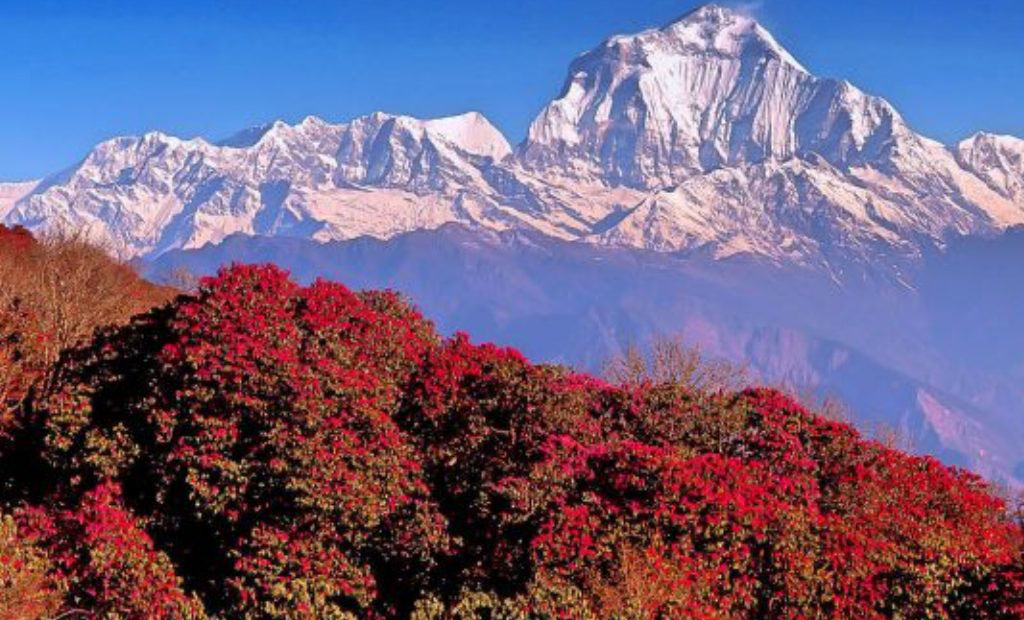
Overall Impression After the Trek
After completing the trek, the overall impression was deeply satisfying and emotionally rewarding. From the first day to the final descent, the journey felt well organized, safe, and thoughtfully managed. The trek delivered exactly what was promised during the introduction, and in many ways, it exceeded expectations. The balance between adventure, comfort, and cultural immersion stood out strongly. Every stage of the trek flowed smoothly, allowing travelers to focus on the mountains, the people, and the experience rather than logistics or concerns. The sense of trust built with the company grew stronger each day, leaving trekkers confident and relaxed throughout the journey.
Quality of Service Throughout the Trek
The service provided during the trek was consistently professional and attentive. From arrival to departure, the team handled every detail with care. They clearly explained daily routines and remained available whenever support was needed. Strong coordination within the team ensured smooth meals, comfortable accommodation, and well-planned walking schedules. They responded promptly to requests, whether related to food preferences, rest breaks, or health concerns. The service never felt rushed or impersonal. Instead, it reflected genuine hospitality and experience in handling trekkers from different backgrounds. This level of service created comfort even in remote and high-altitude environments.
Pre-Trek Briefing and On-Trek Communication
The pre-trek briefing played a key role in building confidence. The guide clearly explained the route, altitude challenges, weather expectations, and safety procedures. This preparation helped trekkers understand what lay ahead and reduced uncertainty. During the trek, communication remained clear and regular. Each morning included a short briefing about the day’s walk, terrain, and expected weather. This habit helped everyone pace themselves properly. Any changes due to weather or trail conditions were communicated early, allowing trekkers to adjust mentally and physically without stress.
Professionalism of the Trekking Guide
The guide was one of the strongest highlights of the entire trek. His knowledge of the route, mountains, and local culture was impressive. He managed the group confidently while remaining friendly and approachable. The guide monitored altitude effects closely and encouraged proper acclimatization without pressure. His experience was evident in how he adjusted walking speed, rest stops, and daily plans to suit the group. Cultural explanations were shared naturally along the trail, enriching the experience beyond just walking. His calm presence added a strong sense of safety, especially on challenging sections.
Support and Dedication of Porters
The porters played a vital role in making the trek comfortable and manageable. Their strength, endurance, and positive attitude were remarkable. Despite carrying heavy loads across difficult terrain, they remained respectful and cheerful. Their support allowed trekkers to walk freely with lighter daypacks, reducing physical strain and increasing enjoyment. The company’s respectful treatment of porters was clearly visible. Proper equipment, fair load distribution, and attention to their welfare reflected responsible trekking values. Many trekkers felt deep appreciation and respect for the porters by the end of the journey.
Safety, Care, and Trek Management
Safety was treated as a priority throughout the trek. The guide regularly checked each trekker’s condition and encouraged hydration and rest. First aid supplies were always accessible, and the guide knew how to respond calmly to minor issues. Acclimatization days were well planned and never rushed. The trekking pace felt balanced, allowing steady progress without exhaustion. Even in crowded or exposed sections, the guide ensured the group stayed together and moved safely. This strong management helped trekkers feel protected while still enjoying a sense of adventure.
Weather Conditions During the Trek
Weather conditions during the trek were generally favorable, though naturally variable due to the Himalayan environment. Clear mornings often provided stunning mountain views, while afternoons occasionally brought clouds or light wind. The guide gave accurate daily weather updates, helping trekkers dress appropriately and plan energy levels. Even when conditions changed, the team adapted smoothly without panic or confusion. Cold nights at higher elevations were expected and manageable due to proper accommodation and advice. Overall, the weather added realism to the trek without causing serious disruption.
Handling of Unexpected Weather Changes
On a few days, weather conditions shifted faster than expected.
However, the team handled these changes professionally. The guide adjusted departure times to avoid strong winds or afternoon cloud cover. When necessary, the guide extended breaks and adjusted walking speed to maintain safety. These decisions reflected experience and genuine concern for trekkers’ comfort. Rather than feeling like delays, the adjustments felt thoughtful and reassuring. Trekkers appreciated that the team always prioritized safety over rigid schedules.
Transfer and Transportation Experience
The company arranged ground transfers efficiently before and after the trek, and vehicles arrived on time. Clean and comfortable vehicles made the journeys pleasant, while skilled drivers navigated mountain roads with care, reducing stress during long drives. The team coordinated pickups and drop-offs clearly, avoiding any confusion. As a result, trekkers moved smoothly between cities, trailheads, and accommodations.
Flight Delays and Their Management
In mountain regions where weather affects flights, minor delays remain unavoidable. In this case, the team communicated delays clearly and managed the situation calmly. Staff provided regular updates and arranged alternative plans when required. They handled the waiting time patiently while offering reassurance and support. Most importantly, the process never felt chaotic or disorganized. Trekkers stayed informed and felt well supported throughout.
rather than left uncertain. This professional handling helped maintain trust even during uncontrollable situations.
Accommodation and Meal Experience
Accommodation throughout the trek met expectations for the region. Teahouses were clean, warm, and welcoming. Rooms were simple but comfortable, allowing proper rest after long walking days. Meals were nutritious and well prepared. The menu offered variety, and portion sizes were satisfying. The guide provided advice on food choices at higher altitudes, which helped prevent stomach issues. Shared dining spaces also created a friendly group atmosphere, adding social enjoyment to the trek.
Cultural Interaction and Local Experience
One of the most appreciated aspects of the trek was the opportunity to interact with local communities. Visits to villages, monasteries, and teahouses offered insight into daily mountain life. The guide explained local customs, traditions, and religious practices in a respectful and engaging way. These cultural moments added depth to the journey, making it more meaningful than a purely physical challenge. Trekkers felt connected to the region rather than just passing through it.
Physical Challenge and Trek Difficulty
The trek provided a satisfying physical challenge without feeling overwhelming. Daily distances were reasonable, and altitude gain was gradual. Some sections required effort, particularly at higher elevations, but these moments felt rewarding rather than discouraging. The guide encouraged steady pacing and positive motivation. By the end of the trek, trekkers felt a strong sense of accomplishment and personal growth.
Group Dynamics and Atmosphere
The group atmosphere remained positive throughout the trek. Clear leadership and good planning helped everyone stay comfortable and cooperative. The guide encouraged mutual support, creating a friendly and inclusive environment. Shared challenges strengthened group bonds, and many trekkers formed lasting friendships. The overall mood was relaxed, respectful, and enthusiastic.
Value for Money
Considering the level of service, professionalism, and care provided, the trek offered excellent value for money. The pricing felt fair, especially given the quality of guides, porters, accommodation, and logistics. There were no hidden costs or unexpected issues. Trekkers felt that their investment resulted in a well-rounded and memorable experience.
Final Thoughts and Recommendation
In conclusion, the trek delivered a highly positive and well-managed Himalayan experience. Strong service, skilled guides, dedicated porters, and responsible management created a journey that felt safe, enriching, and deeply rewarding. Weather challenges and minor delays were handled professionally, reinforcing trust in the team. The experience left trekkers with unforgettable memories, cultural understanding, and a sense of achievement. Based on the overall experience, travelers would confidently recommend The Himalayan Realms Treks and Expedition Nepal Pvt. Ltd. to anyone seeking a reliable, authentic, and well-supported trekking adventure in Nepal.