Overviews: Gosainkunda 7-days trek
Introduction
The Gosainkunda Trek is a magnificent high-altitude expedition that captivates adventurers, nature enthusiasts, and cultural explorers alike. Renowned for its pristine alpine lakes, towering snow-capped peaks, and spiritual ambiance, this journey is a perfect blend of natural beauty and religious significance. Often regarded as one of the most remarkable trekking circuits in Nepal, the trail leads travelers through the heart of the Langtang National Park, showcasing a diverse panorama of landscapes. The Gosainkunda region, situated in the northern part of the Kathmandu Valley, attracts both domestic and international trekkers seeking a combination of wilderness, serenity, and spiritual immersion. Trekkers often describe the experience as transformative, not only because of the physical challenge but also due to the profound cultural and religious encounters along the way.
About Gosainkunda Trek
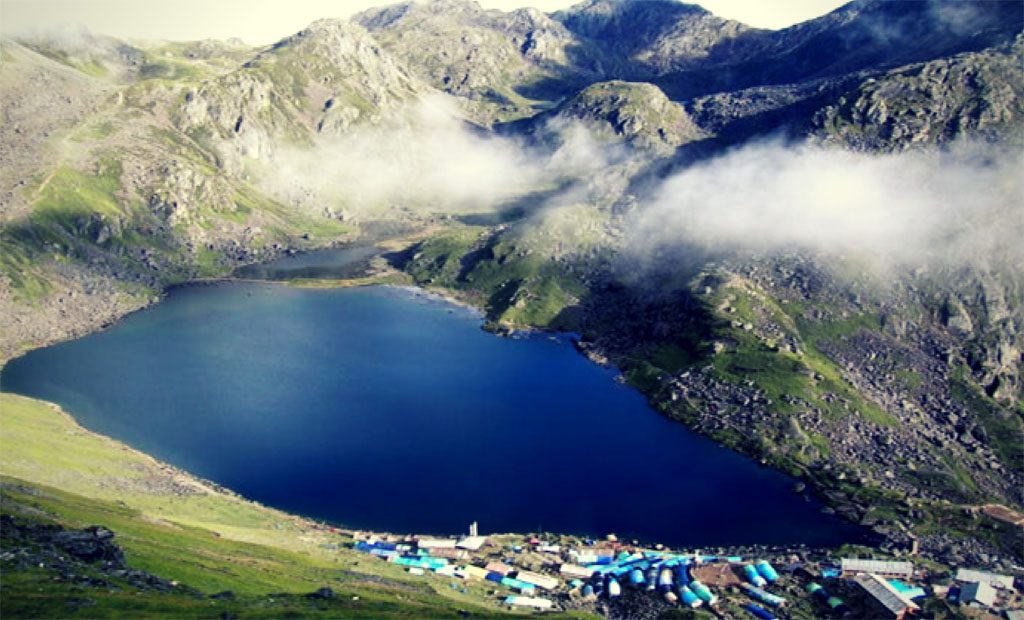
Gosainkunda Trek is celebrated for its mystical lakes, especially the sacred Gosainkunda Lake, which holds immense religious value in Hindu mythology. According to legend, Lord Shiva created the lake, and thousands of pilgrims visit during the Janai Purnima festival to take a holy dip in its crystal-clear waters. The trek is an amalgamation of trekking adventure, cultural discovery, and spiritual exploration. Unlike some commercialized trekking routes, Gosainkunda provides a sense of solitude and communion with nature. Adventurers traverse through rhododendron forests, traditional Tamang villages, and rugged high-altitude landscapes, making it a versatile trekking option in Nepal. This trek is ideal for travelers interested in both high-altitude trekking and cultural immersion, offering a rare opportunity to explore off-the-beaten-path routes in the Langtang region.
Location of Gosainkund trek
The Gosainkunda Trail is located in the northern part of the Kathmandu Valley within the Langtang National Park. Nestled between the prominent peaks of Langtang Lirung (7,234 m / 23,711 ft) and other Himalayan giants, the area features serene alpine lakes, high ridges, and expansive meadows. Its proximity to the Langtang and Helambu regions makes it accessible yet still remote enough to maintain its untouched natural charm. The trail weaves through several small villages, allowing trekkers to witness the harmonious coexistence of humans and nature in high-altitude settings. The route offers dramatic changes in scenery, ranging from lush forests at lower elevations to barren landscapes near the lakes at higher altitudes.
How to go Gosainkunda trek
Most trekkers begin the Gosainkunda Trek from Sundarijal, located approximately 25 kilometers (15 miles) northeast of Kathmandu, which is easily reachable by road. From Sundarijal, the journey begins on well-marked trails that ascend gradually through terraced fields and forests. While some opt for private transport, others rely on local buses or taxis from Kathmandu. Along the route, trekkers can hire porters or guides to assist with carrying gear and navigating challenging sections. The trek typically lasts between 7 to 10 days, depending on the chosen route and pace. Alternative starting points include Dhunche, which shortens the trekking days but requires more acclimatization due to higher starting altitude. For those seeking convenience and safety, The Himalayan Realms Treks provides organized packages, including transportation, guides, and detailed itinerary planning to ensure a seamless journey.
People of Langtang region
The Gosainkunda Trail is primarily inhabited by the Tamang and Sherpa communities, who have lived in the Langtang and Helambu regions for generations. These indigenous people are known for their warm hospitality, traditional lifestyle, and rich cultural heritage. Trekkers often encounter villagers dressed in colorful attire, herding yaks, and engaging in daily activities like farming or crafting handmade goods. The local communities are deeply religious, observing both Buddhist and Hindu traditions, which are often intertwined in their rituals and festivals. Interacting with these communities provides trekkers with an authentic insight into high-altitude living, traditional practices, and the spiritual ethos of Nepal’s mountainous regions. Many villagers also offer homestays, allowing travelers to experience local cuisine and customs firsthand, enhancing the cultural dimension of the trek.
Type of Accommodation Gosainkunda trek
Accommodation along the Gosainkunda Trek ranges from basic tea houses and lodges to homestays in remote villages. In lower elevations, trekkers can find modest lodges with simple amenities such as beds, blankets, and shared bathrooms. As the trek ascends toward Gosainkunda Lake, accommodation becomes more rustic, often consisting of small wooden huts or tents provided by local operators. Despite the simplicity, the warmth of local hospitality compensates for limited facilities. Trekkers can enjoy traditional Nepali meals such as dal bhat (lentils and rice), vegetable curries, and momo (dumplings) prepared in the lodges. The Himalayan Realms Treks ensures that all accommodations along the route are carefully selected for comfort, hygiene, and accessibility, providing trekkers with a reliable and safe overnight stay.
Religious Significance of Gosainkunda trek
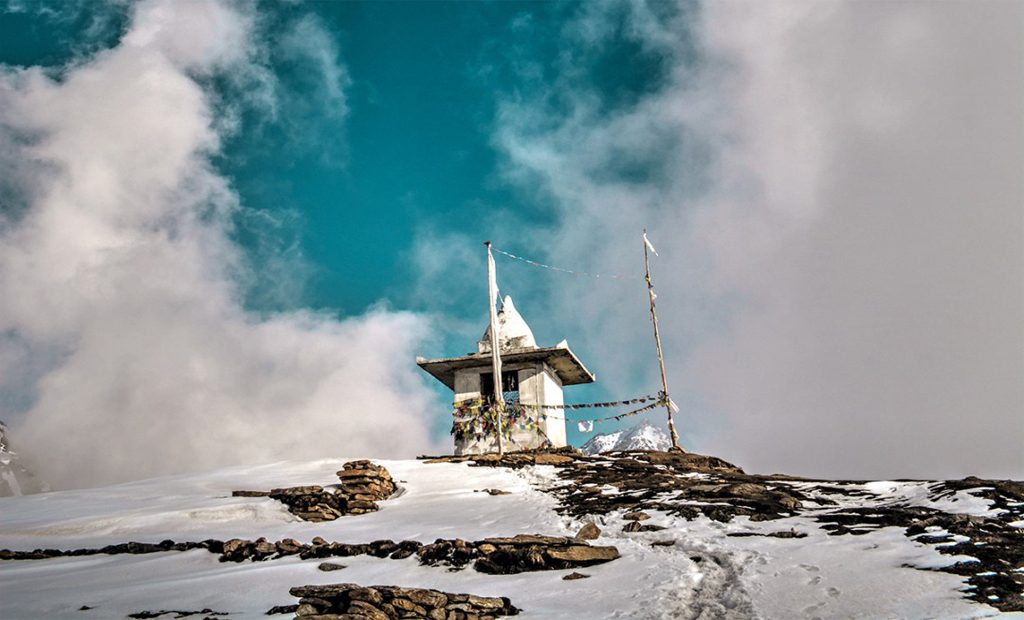
Gosainkunda holds immense spiritual and religious importance, particularly for Hindus and Buddhists. The lake is believed to be the abode of Lord Shiva, and pilgrims visit annually during the Janai Purnima festival to perform ritual bathing and prayers. The sacred water of Gosainkunda is said to cleanse sins and grant spiritual merit. Along the trekking route, trekkers can witness shrines, prayer flags, and small temples, reflecting the deep-rooted religious practices of local communities. The spiritual aura enhances the trekking experience, allowing travelers to connect not only with nature but also with the intangible essence of Himalayan culture. This combination of scenic splendor and spiritual immersion makes Gosainkunda a unique trekking destination compared to more commercialized routes in Nepal.
Lifestyle of the Langtang retion people
The lifestyle of people in the Gosainkunda region is modest, traditional, and closely tied to nature. Daily life revolves around agriculture, animal husbandry, and seasonal trade. Trekkers will notice the use of terraced fields, stone houses, and communal living practices that have persisted for centuries. Life in these high-altitude areas is simple yet resilient, shaped by the challenging environment. The local communities follow a balanced rhythm, celebrating festivals, practicing meditation, and maintaining their cultural heritage. Travelers can experience this lifestyle firsthand through homestays, local interactions, and participation in village activities. The region’s lifestyle offers a fascinating contrast to urban Kathmandu, highlighting the harmony between human life and the natural environment.
Flora and Fauna of the Langtang region
The Gosainkunda Trek is abundant in biodiversity, making it a paradise for nature lovers. At lower elevations, trekkers encounter dense forests of oak, pine, and rhododendron, while higher altitudes reveal alpine shrubs and sparse vegetation. The region is home to a variety of wildlife, including Himalayan black bears, red pandas, langurs, musk deer, and snow leopards, though sightings are rare. Birdwatchers can observe colorful species such as Himalayan monals, blood pheasants, and snowcocks. The rich flora and fauna contribute to the overall ecological charm of the trek, creating opportunities for photography, wildlife observation, and scientific interest. The Himalayan Realms Treks emphasizes responsible tourism, encouraging trekkers to respect local ecosystems and preserve the natural beauty of the region.
Vegetation of the Langtang region
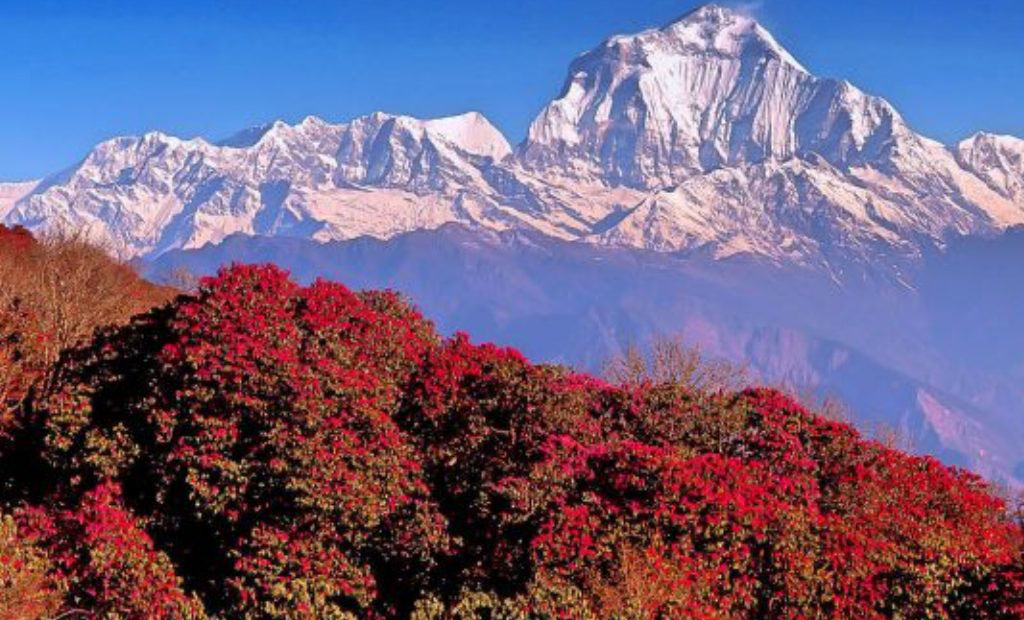
Vegetation along the Gosainkunda Trail changes dramatically with altitude. Lower altitudes feature subtropical forests with rhododendron, bamboo, and pine, while mid-altitudes support oak, birch, and fir forests. Beyond 4,000 meters (13,123 ft), vegetation becomes sparse, with hardy alpine plants and mosses adapted to extreme cold and wind. This gradual transition of plant life creates a visually striking environment and provides trekkers with opportunities to witness the ecological diversity of Nepal’s mountains. Seasonal changes further enhance the landscape, with spring showcasing vibrant rhododendron blooms and autumn offering clear skies and golden foliage. The trek is not only a spiritual journey but also a botanical adventure.
Atmosphere of the Langtang region
The atmosphere of the Gosainkunda Trek is serene, peaceful, and invigorating. Trekkers are greeted by crisp mountain air, expansive valleys, and panoramic views of snow-capped peaks. Early mornings often reveal misty landscapes, while afternoons bring brilliant sunlight illuminating the lakes and ridges. The remote location ensures minimal crowding, allowing travelers to immerse themselves fully in nature. Nights at high-altitude camps are particularly magical, with clear skies revealing countless stars and the Milky Way. This tranquil and rejuvenating environment contrasts sharply with bustling tourist hubs and urban centers, providing a sense of escape and spiritual renewal.
Most Popular Trekking Region in Nepal
Gosainkunda is part of the Langtang region, one of the most celebrated trekking destinations in Nepal. While the Everest region and Annapurna regions attract large numbers of trekkers due to their iconic peaks, Langtang offers a quieter and less commercialized experience without compromising scenic beauty. Its unspoiled landscapes and traditional villages make it an ideal destination for travelers seeking both adventure and cultural immersion.
Scenic Beauty and Natural Diversity
The Langtang region is renowned for its picturesque valleys, alpine lakes, snow-capped mountains, and traditional villages, making it a versatile trekking hub. Trekkers experience a wide variety of landscapes, from dense forests to open high-altitude meadows, ensuring a visually stunning and immersive journey. Each step reveals the region’s unique natural charm, from cascading waterfalls to panoramic mountain vistas, offering endless opportunities for photography, exploration, and reflection.
Adventure, Culture, and Spirituality
The Gosainkunda Trek is particularly popular among those seeking a blend of adventure, culture, and spirituality. The sacred alpine lake of Gosaikunda, surrounded by monasteries, local villages, and rich traditions, offers trekkers a culturally rewarding experience alongside physical challenges. Visitors can engage with local customs, observe religious practices, and immerse themselves in the spiritual significance of the area while enjoying breathtaking high-altitude scenery.
A Compelling Alternative to Everest and Annapurna
For travelers wishing to explore Nepal’s renowned trekking routes beyond Everest and Annapurna, the Langtang region provides an equally captivating experience. Its combination of pristine landscapes, cultural immersion, and serene atmosphere makes it ideal for those seeking an off-the-beaten-path adventure in the Himalayas. Unlike the more crowded Everest and Annapurna trails, Langtang’s quieter routes allow trekkers to enjoy nature in solitude, creating a reflective, immersive, and truly memorable journey.
Why Choose a Nepal Freelance Guide for the Gosainkunda Trek
Nepal Freelance Guide is the ideal choice for the Gosainkunda Trek, offering a unique blend of local expertise, personalized service, and safety. Unlike large agencies, freelance guides provide one-on-one attention, tailoring each trek to your preferences, pace, and interests. This ensures a deeply immersive experience in the Langtang region, where Gosaikunda, the sacred alpine lake, lies at 4,380 meters (14,370 ft).
Authentic Cultural Insights
With a Nepal Freelance Guide, trekkers gain genuine insights into local culture, traditions, and religious practices. The guides often belong to the surrounding communities, allowing travelers to interact meaningfully with Tamang and Sherpa villagers. From explaining the spiritual significance of Gosaikunda to introducing you to unique Himalayan flora and fauna, the knowledge shared is both extensive and authentic.
Safety and Professional Expertise
Safety is another key advantage. Freelance guides bring extensive experience in high-altitude trekking, altitude acclimatization, and emergency response. They plan routes carefully, navigate unpredictable weather confidently, and ensure comfortable stays at teahouses or lodges along the trail.
A Meaningful and Personalized Adventure
Choosing a Nepal Freelance Guide for the Gosaikunda Trek guarantees an enriching, safe, and personalized adventure. By combining local wisdom, professional trekking experience, and cultural immersion, your journey becomes more than a trek—it transforms into a meaningful encounter with the spiritual and natural wonders of Nepal’s most popular trekking region.
Conclusion
The Gosainkunda Trek is a remarkable Himalayan journey that combines high-altitude adventure, cultural immersion, and spiritual significance. Located in the Langtang region of Nepal, the trek offers travelers the opportunity to explore pristine alpine lakes, snow-capped peaks, indigenous villages, and sacred sites. With a diverse range of flora and fauna, rich local traditions, and breathtaking landscapes, it ranks among the most captivating trekking experiences in Nepal. Compared to the Everest and Annapurna regions, Gosainkunda provides a more tranquil, less crowded, and culturally immersive journey. By choosing The Himalayan Realms Treks and Expedition Nepal Pvt. Ltd., adventurers can undertake this extraordinary trek with expert guidance, safe accommodations, and a well-organized itinerary, ensuring a memorable, transformative, and spiritually fulfilling experience in the heart of the Himalayas.
Day 01: Arrival at Tribhuvan International Airport (TIA) and transfer to the hotel in Kathmandu.
Day 02:- Drive from Kathmandu to Dhunche, about 7 hrs, and stay overnight at Dhunche in the lodge.
Day 03:- Dhunche to
Singumba (Chandanbari): Stay overnight in Singumba at the tea house lodge.
04:- Singumba to Gosainda is about 6 hrs, and stay overnight in Gosaikunda at a tea house.
05:- Gosainkunda to Singumba: about 5 hrs and stay overnight in Singumba at a teahouse lodge.
06:- Singumba to Dhunche and drive back to Kathmandu by 4WD jeep in about 10 hrs.
07:- Final departure from Kathmandu hotel to international airport, then on to your destination.
Day 01: Arrival at Kathmandu’s Tribhuvan International Airport (1,300 m/4,264 ft): We will then pick you up and take a short drive from the airport to the hotel. Check in to the hotel and rest for a few hours, then we meet again with the guide and bargain about the trek, what we need the equipment for, the trek, and what time we leave from Kathmandu.
Day 02: Arrive at Kathmandu [1,345 m/4,411 ft] and transfer to hotel.
Our airport arrival and departure representative will be at Tribhuvan International Airport on your arrival schedule. You will be transferred to the hotel, and our staff will help you until the check-in procedure ends at the hotel. Either you can have a rest at the hotel or visit NGT’s office. In the evening, join our welcome dinner program organized by the Nepal Guide Treks and Expedition Team.
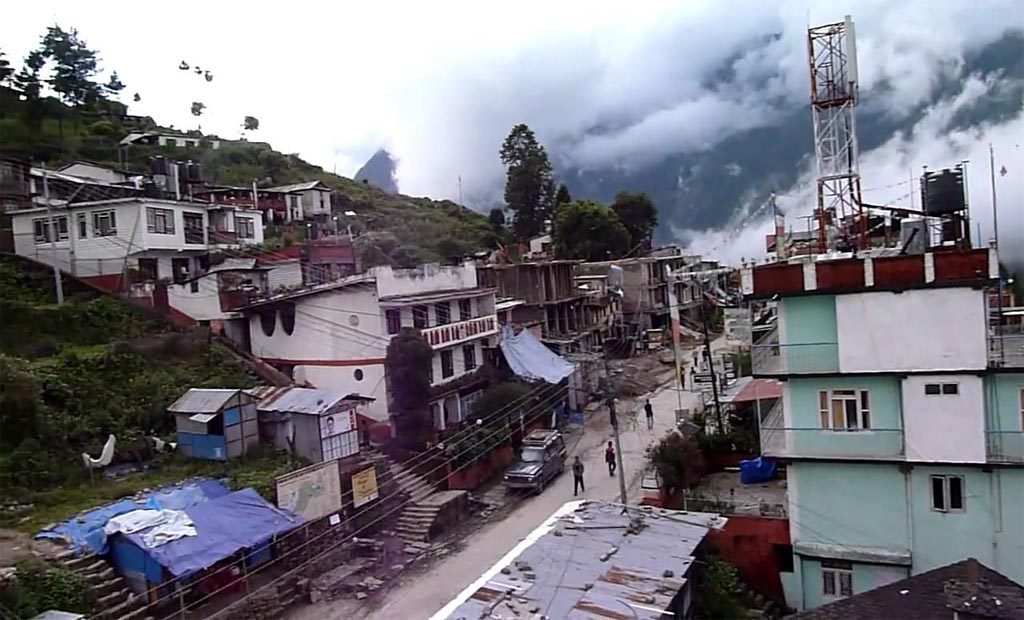
Day 03: Drive from Kathmandu to Dhunche (1966 m), which takes about eight hours: You head north out of Kathmandu, driving through scenic foothills and ridgeline vistas to Dhunche. The first part of your drive up to Trishuli Bazaar is quite smooth. The path now moves along the gravel road. During the rainy season, the way is sometimes blocked due to landslides. Your drive from Kathmandu to the destination is to be made by either local bus or land cruiser. Stay overnight in Dhunche at the lodge.
Day 04: Trek from Dhunche to Sing Gompa, and it takes about five hours. The first part of the trails ascends gradually through a mineral water factory up to Ghatte Khola (stream). Crossing a suspension bridge over this stream, you begin to trek steeply up until you reach Sing Gompa through pine, silver oak, and rhododendron forests with marijuana plants. There is an old cheese factory at Sing Gompa. Stay overnight in Singumba (Chandanbari) at a teahouse lodge.
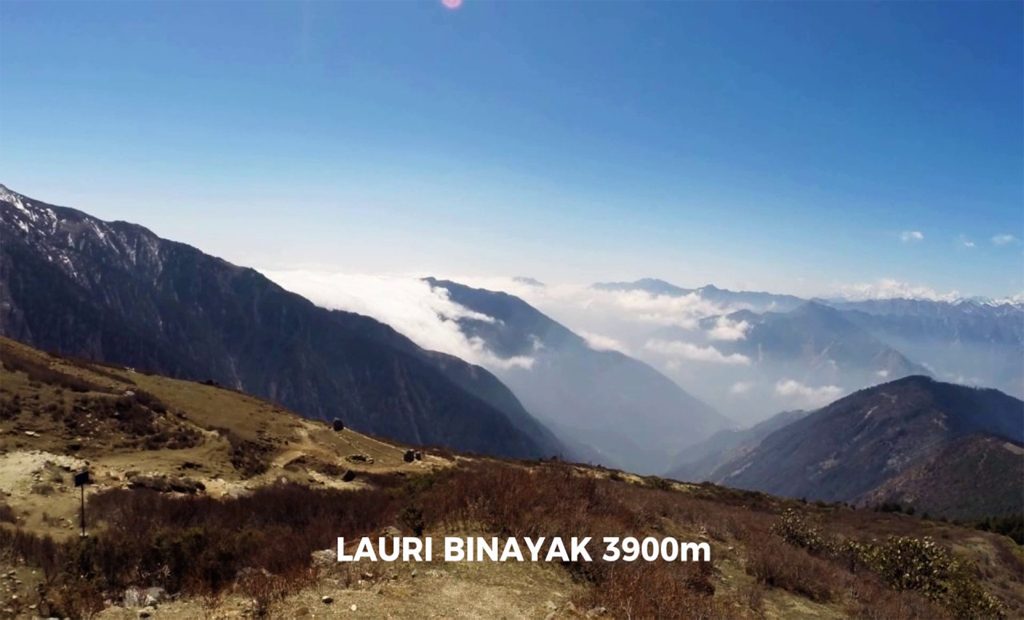
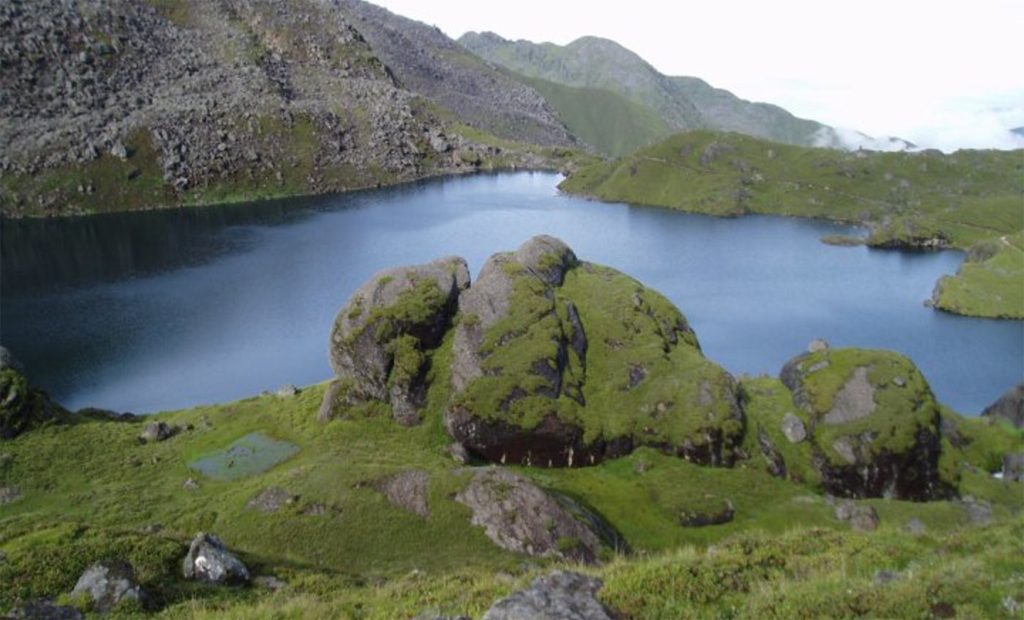
Day 05: Sing Gompa to Gosain Kunda (4300 m), a steep, rugged trail but adequately compensated by dramatic views of Himal Chuli (7893 m), Manaslu (8156 m), Ganesh Himal (7406 m), and possibly the Annapurna Range to the west and the beautiful valley of Langtang Lirung to the north. Passing by a few huts in the high pasture of Lauri Binayak and crossing a small ridge, we have the first look at about a dozen holy lakes; Saraswati Kunda, Bhiravkunda, and Gosainkunda are the main holy lakes among them. Gosainkunda was created by Lord Shiva when he pierced his trident to obtain water to quench his thirst after having swallowed “Kalkut,” the most dangerous poison, according to the legend (6/7 hrs walk). Stay overnight at Gosainkunda in a teahouse lodge.
Day 06: Trek from Gosaikunda to Sing Gompa (3250 m) or Chandan Bari (3250 m), and it takes about four and a half hours: The trails descend all the way to Sing Gompa, passing Lauribanayak with magnificent mountain views and forests. Stay overnight in Sing Gumba (Chandanbari) at a teahouse lodge.
Day 07: Trek from Sing Gompa to Dhunche, which takes about six hours, and take a jeep back to Kathmandu. The first part of the trail descends through pine, silver oak, and rhododendron forests with marijuana plants up to where you cross a suspension bridge over the Sing Gompa Stream. When you reach Dhunche, our 4WD Jeep will be waiting there, so take the jeep and drive back to Kathmandu, about a 7-hour drive from Dhunche.
Day 07:- From hotel to Tribhuvan International Airport:- Today is free, or at the last minute you have a few hours for special shopping for your relatives. If you have more time, you can do some shopping or sightseeing, and then we will drop you at the international airport to catch your flight back to your home and wish for your safe journey.