Overview: Makalu Arun Valley 19- Days Trek
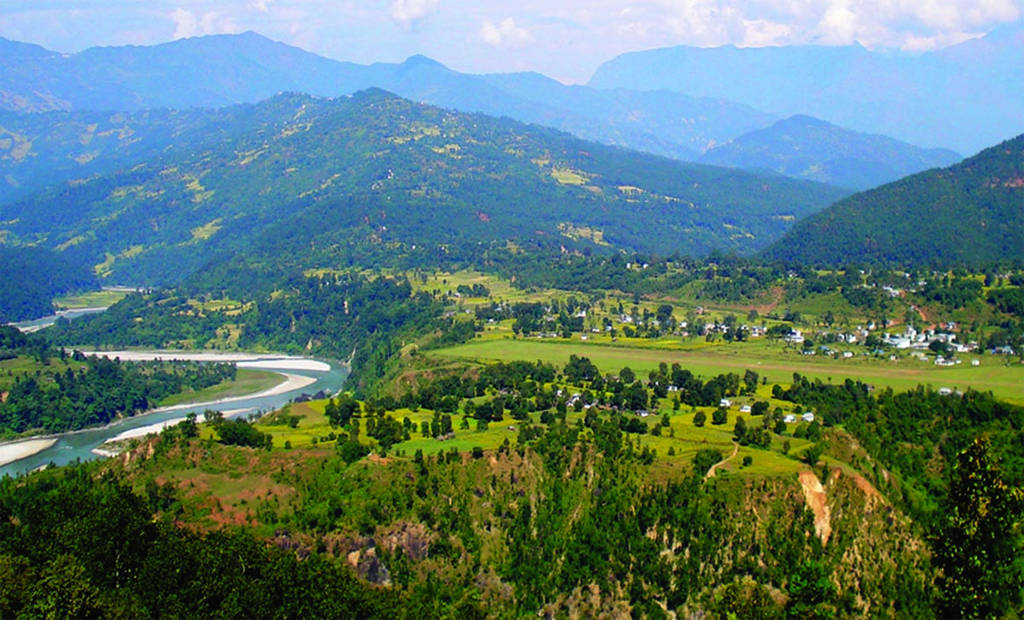
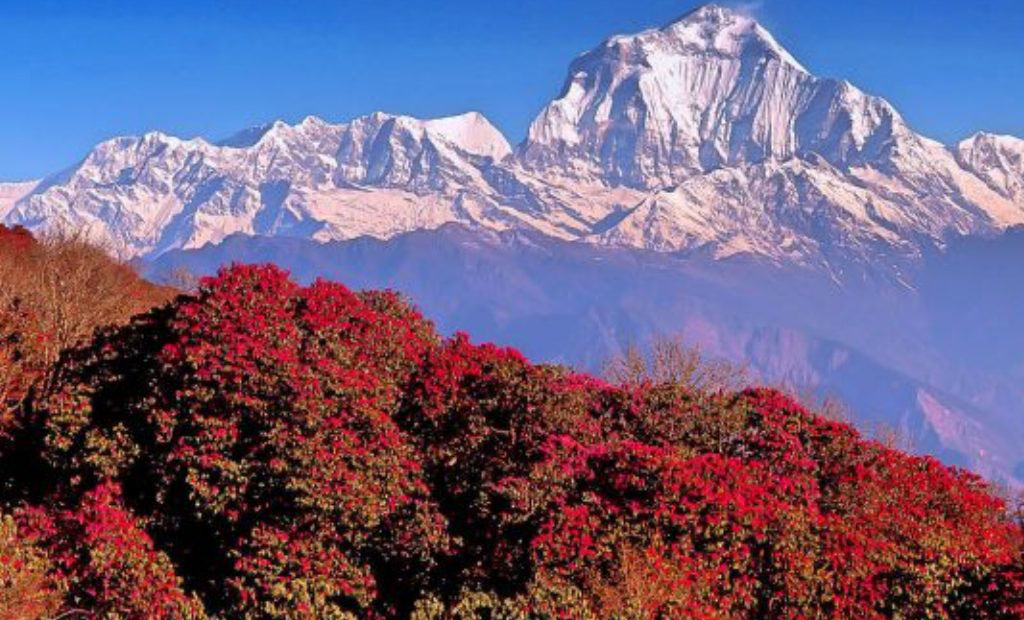
The Makalu Arun Valley Trek is one of Nepal’s most spectacular yet least explored adventures. It offers deep immersion into the remote eastern Himalayas. This 19-day trek leads through the pristine Makalu-Barun National Park, known for rich biodiversity and traditional villages. Mount Makalu, the world’s fifth-highest peak at 8,463 meters (27,766 feet), dominates the skyline. The Arun Valley, one of the world’s deepest valleys, provides dramatic scenery and unique cultural encounters. Far from busy trails, this journey blends high-altitude challenge, natural beauty, and cultural discovery. It suits experienced trekkers seeking solitude and untouched landscapes.
Interdiction
The Makalu Arun Valley Trek is not recommended for beginners due to its remoteness, demanding trails, and high-altitude passes. Trekkers should have prior trekking experience, good physical fitness, and familiarity with trekking in isolated regions. The trail involves long walking days, steep ascents and descents, and a mix of rocky, forested, and glacial terrains. Weather conditions can change rapidly, and trekkers must be prepared for cold temperatures, especially at higher altitudes. Proper acclimatization is crucial to prevent altitude sickness, as the trek passes through areas exceeding 5,000 meters (16,404 feet).
Location
The Makalu Arun Valley Trek is one of Nepal’s most spectacular yet least explored adventures. It offers deep immersion into the remote eastern Himalayas. This 19-day trek leads through the pristine Makalu-Barun National Park, known for rich biodiversity and traditional villages. Mount Makalu, the world’s fifth-highest peak at 8,463 meters (27,766 feet), dominates the skyline. The Arun Valley, one of the world’s deepest valleys, provides dramatic scenery and unique cultural encounters. Far from busy trails, this journey blends high-altitude challenge, natural beauty, and cultural discovery. It suits experienced trekkers seeking solitude and untouched landscapes.
How to Reach – Transportation
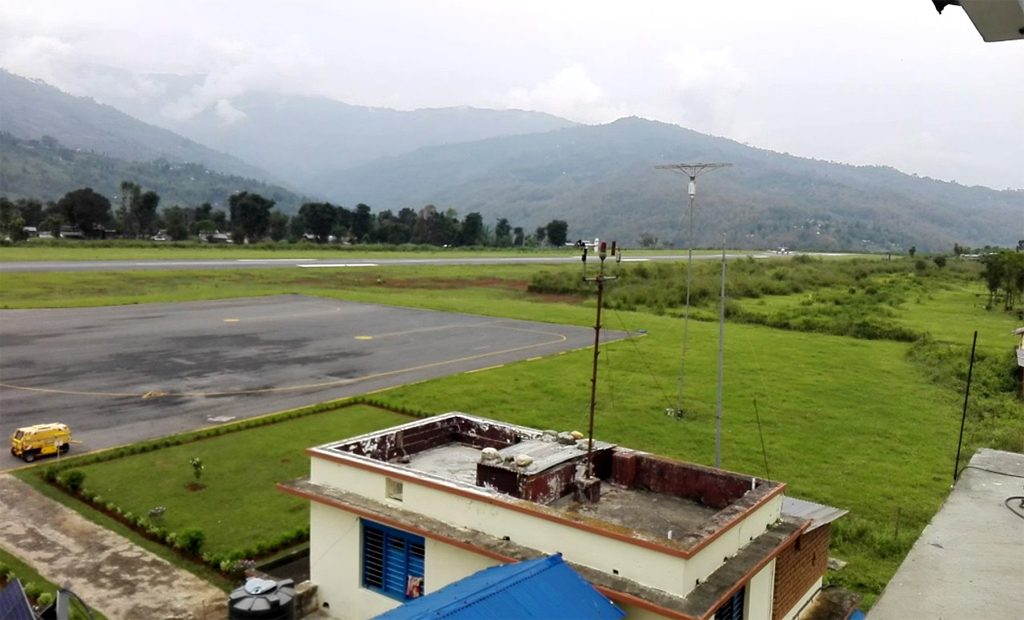
Most trekkers start their journey from Kathmandu, Nepal’s capital. From Kathmandu, a domestic flight takes travelers to Tumlingtar Airport, the nearest airstrip to the Arun Valley. The flight itself is scenic, offering aerial views of the Arun Valley and surrounding peaks. From Tumlingtar, the trek begins with a drive to the trailhead village, often taking several hours on rugged, mountainous roads. For those who prefer a more adventurous start, some trekking groups opt for an overland route via Ramechhap, which involves several days of road travel through rural villages and forested valleys. During the trek, movement is primarily on foot, with porters or yaks assisting in carrying supplies in the higher, less accessible sections.
Main Attractions
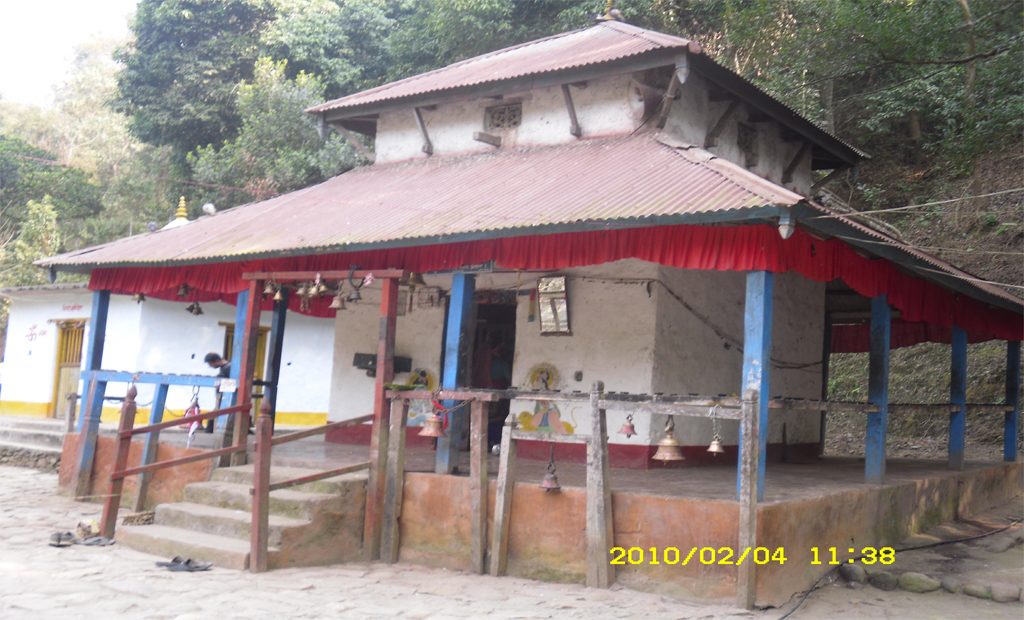
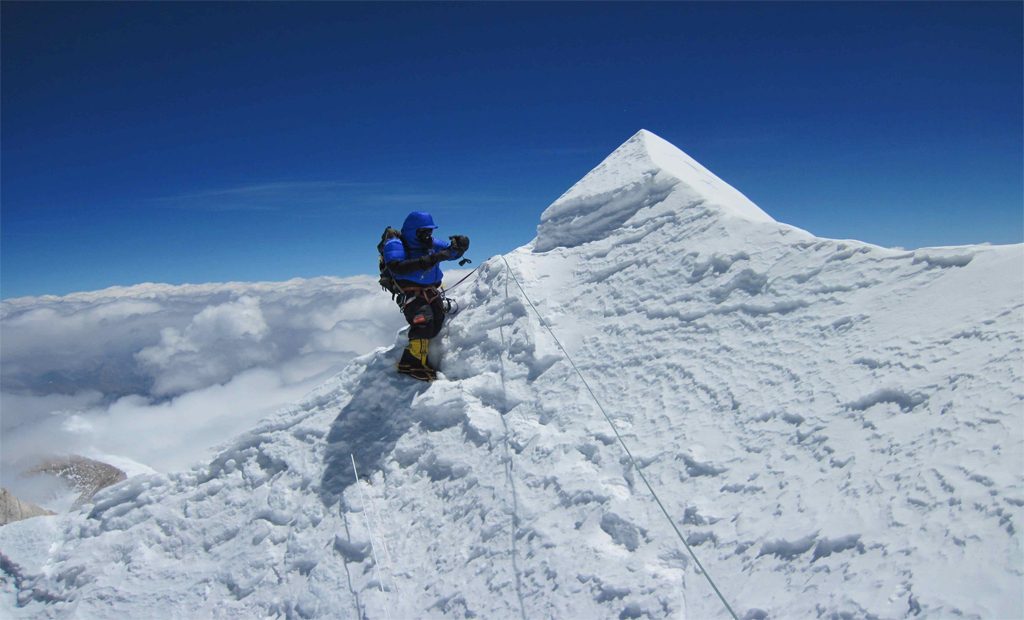
The Makalu Arun Valley Trek offers a captivating blend of natural grandeur and cultural richness. The centerpiece is Mount Makalu, the world’s fifth-highest peak, whose dramatic pyramid-shaped summit dominates the skyline and inspires awe throughout the journey. The trek passes through the Makalu-Barun National Park, famed for its biodiversity, including rhododendrons, blue pines, junipers, red pandas, Himalayan black bears, musk deer, and numerous bird species. Traditional villages such as Num, Khongma, and Tashigaon offer opportunities to experience local customs, festivals, and hospitality. Glacial landscapes, alpine lakes, serene riversides, and terraced farmlands provide stunning photo and meditation spots. A key cultural highlight is the Manakamana Temple near Satighat on the Arun River, dedicated to Goddess Bhagwati. Its riverside location and peaceful atmosphere, especially during festivals like Dashain, allow trekkers to engage with local spiritual traditions amid scenic beauty. Together, these sites create a trek that is visually, culturally, and spiritually enriching.
What We See
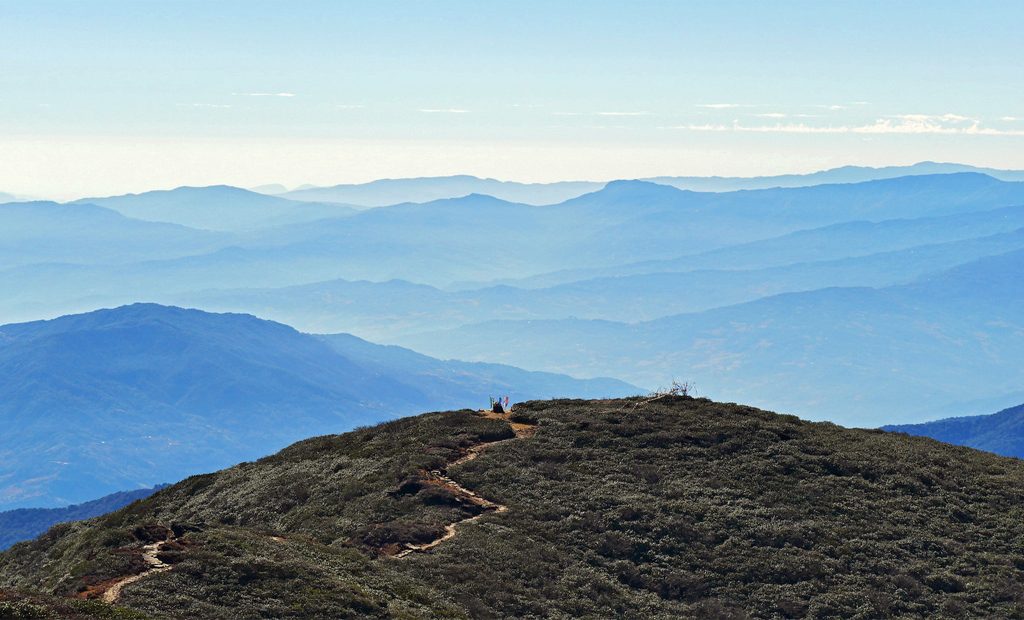
Trekkers witness a striking diversity of landscapes along the route. The lower Arun Valley is characterized by lush subtropical forests, bamboo groves, and fertile agricultural terraces. Mid-altitude sections are covered with rhododendron and oak forests, while higher reaches transition into alpine meadows and moraines. Snow-capped peaks emerge dramatically as one ascends, and glaciers, including the Barun Glacier, create a stark contrast with the green valleys below. Villages along the way offer glimpses of the Sherpa, Rai, and Tibetan-influenced communities, their monasteries, prayer flags, and mani walls adding spiritual and cultural depth to the journey. Wildlife sightings, including red pandas, langurs, and Himalayan pheasants, are common in the national park, enhancing the sense of trekking in a pristine, untouched wilderness.
Difficulty Level
The Makalu Arun Valley Trek is considered challenging to strenuous, primarily due to its remote location, long trekking days, and high altitudes. The trail involves steep ascents and descents, rocky paths, river crossings, and snow-covered sections, particularly near high passes such as the Kang La Pass or Makalu Base Camp approach. Trekkers must be prepared for 6–8 hours of walking per day, often carrying their personal items, although porters are available. Physical stamina, prior high-altitude trekking experience, and careful acclimatization are essential for completing the trek safely and comfortably.
People, Culture, and Lifestyle
The trek passes through diverse ethnic communities, each with distinct customs, traditions, and lifestyles. The Rai and Sherpa communities are the most prominent, living in scattered villages and practicing subsistence farming, animal husbandry, and trade. Traditional wooden and stone houses with prayer flags, mani walls, and chortens are common. Festivals, local dances, and rituals are integral to daily life, and trekkers often witness ceremonies and offerings at monasteries and household shrines. Life in these villages is simple, revolving around farming cycles, livestock care, and communal activities. Hospitality is genuine, and visitors are frequently offered food, tea, or a place to rest, providing a rare opportunity to experience authentic Himalayan culture.
Religion
Buddhism is the dominant religion in the Makalu Arun Valley, particularly among Sherpa and Tibetan-influenced communities. Monasteries, prayer flags, stupas, and chortens are found throughout the region. Religious life is intertwined with daily routines, agriculture, and festivals, and trekkers often have the chance to attend pujas (prayer ceremonies) or observe monks performing rituals. Spirituality here is deeply connected with nature, mountains, and rivers, reflecting a harmonious balance between people and their environment. Hindu influences are also present in some villages, resulting in a rich tapestry of religious practices and beliefs.
Crowd Levels
Compared to popular trekking routes like Everest Base Camp or the Annapurna Circuit, the Makalu Arun Valley Trek is extremely quiet and uncrowded. Its remote location and logistical challenges deter mass tourism, making it an ideal choice for trekkers seeking solitude, tranquility, and an off-the-beaten-path experience. Accommodation options are limited to teahouses or camping in certain areas, further reducing the influx of large groups. Trekkers are likely to encounter only a handful of other groups along the trail, enhancing the sense of adventure and discovery.
Flora and Fauna
The biodiversity along the Makalu Arun Valley Trek is extraordinary. Lower forests are dominated by subtropical species such as bamboo, ferns, and sal trees. As altitude increases, rhododendron, oak, birch, and pine forests thrive. Higher elevations feature alpine meadows with medicinal herbs, wildflowers, and hardy shrubs. Wildlife is abundant but elusive.
Red pandas, musk deer, Himalayan tahr, and Himalayan black bears inhabit the lower forested valleys. Higher elevations are home to snow leopards, blue sheep, and the colorful Himalayan monal. Birdwatchers can observe many species, including pheasants, eagles, and vultures. This rich wildlife makes the trek ideal for nature lovers and photographers.
Vegetation
The trail passes through distinct vegetation zones as altitude increases. Subtropical forests at lower levels shift to temperate oak, rhododendron, and conifer woodlands. Higher sections feature alpine shrubs, open meadows, and rocky terrain near glaciers and passes. Seasonal wildflowers and mosses add natural beauty. Terraced farms and cultivated fields show local adaptation to harsh conditions. This varied vegetation enhances both ecological diversity and visual appeal.
Atmosphere
The atmosphere along the Makalu Arun Valley Trek is serene, remote, and deeply uplifting. Towering peaks, deep valleys, and clear rivers create a strong sense of scale and wonder. The sound of rushing water and wind through the trees forms a calming natural rhythm. Distant animal calls add to the wilderness feel. Occasional village encounters bring warmth and human connection. This blend of solitude, nature, and culture encourages reflection, renewal, and a deep appreciation of Himalayan grandeur
Best Time to Do the Trek
The best time to undertake the Makalu Arun Valley Trek is during the pre-monsoon (March to May) and post-monsoon (late September to November) seasons. In spring, rhododendrons bloom, and temperatures are moderate, offering clear skies and spectacular views of the mountains. Post-monsoon offers crisp air, stable weather, and excellent visibility of peaks, with autumn harvests adding cultural richness to village encounters. Winter months are cold, with snow potentially blocking higher passes, while the monsoon season brings heavy rains, landslides, and slippery trails, making trekking unsafe.
Why Join the Nepal Freelance Guide for Makalu Arun Valley Trek
Hiring a Nepal freelance guide for the Makalu Arun Valley Trek enhances safety, navigation, and cultural understanding. The region is remote, and trails are often poorly marked, making local guidance invaluable. Freelance guides bring experience in high-altitude trekking, knowledge of flora, fauna, and local customs, and the ability to manage logistics, including teahouse reservations, permits, and camping arrangements. They also provide insights into connecting this trek with other routes in the eastern Himalayas, such as Everest Base Camp, Kanchenjunga Trek, or Makalu Base Camp, allowing for extended exploration. By joining a freelance guide, trekkers gain a personalized, flexible, and immersive experience tailored to their pace and interests, while directly supporting local livelihoods.
Conclusion
The Makalu Arun Valley Trek is a deeply rewarding journey through one of Nepal’s most untouched Himalayan regions. Towering peaks, dramatic gorges, rich biodiversity, and traditional villages create a rare adventure for experienced trekkers. The trail tests physical endurance while inspiring mental strength and spiritual reflection. With proper preparation, a thoughtful itinerary, and the support of a skilled Nepal freelance guide, trekkers explore this remote landscape safely and meaningfully. Drawn by Mount Makalu, Makalu-Barun National Park, or local hospitality, adventurers return with lasting memories, cultural insight, and a strong sense of achievement.
Day 01:- Fly from Kathmandu to Biratnagar, Jeep or Bur ride to Hille.
Day 02:- Hile to Tsute about 5 hrs.
Day 03:- Tsute to Danda Goun about 6 hrs.
Day 04:-Danda Goun to Chainpur about 5 hrs.
Day 05:-Danda Goun to Khandbari about 6 hrs.
Day 06:- Khandbari to Chichila about 6 hrs.
Day 07:-Chichila to Num about 6 hrs
Day 08:- Num to Seduwa about 6 hrs.
Day 09:- Seduwa to Khomadanda about 6 hrs.
Day 10:- Knomadanda to Thundering river about 6 hrs.
Day 11:-Thundering river to Nehe kharka about 6hrs.
Day 12:-Nehe kharka to Shershon about 7 hrs.
Day 13:- Shershon to Makalu Base Camp about 6 hrs.
Day 14:- Makalu Base Camp to Nehe kharka.
Day 15:- Nehe kharka to Mumbuk about 6 hrs.
Day 16:- Nehe kharak to Seduwa about 6 hrs.
Day 17:-Seduwa to Num about 7 hrs.
Day 18:-Num to Khandbari about 7 hrs.
Day 19:- Khandbari to Tumlingtar than afternoon flight to Kathmandu and over night stay in Kathmandu.
Day 01: Fly from Kathmandu to Biratnagar, Jeep or bus ride to Hille.
Day 02: There is a motorable road under construction along the first day’s walk to the village of Tsute. A gentle start uphill.
Day 03: Continuing the climb up from the road, ascend the ridge of the Tinjure Danda, passing the village of Tinjure Phedi en route to an overnight stop at Danda Goan. The height of this village is 1700 m. And have fine views of the intensely cultivated lowlands stretching away towards the south.
Day 04: From Danda Goun, ascend and cross the Tinjure Danda at a height of 2200 m before following the ridge as it descends towards Piluwa Khola and Chainpur.
Day 05: An early start for this long day, during which descend and cross the Hinwan and sabha kholas before finally ascending again to the large market town and administrative center that is andbari. Reach the Arun Valley at last, looking down on the airstrip at Tumlingtar far away down below.
Day 06: From Khandbari ascend the ridge due north on one wide and very well-used trail, reaching the lunch stop at Bhotebas after 3 hours of steady ascent.
After lunch, another two hours along and up the gently inclined path through the beautiful forest dense with undergrowth. Here is the beginning of the ferns and lush vegetation of the monsoon forest. Camp for the night at the tiny ridgetop village of Chichila.
Day 07: Chichila to Num: In the clear dawn, get the first views of the Makalu and its satellite peaks from this magical spot. Perched high above the surrounding countryside, it can be seen for miles in every direction. Today’s walk is not strenuous and is one of the most enjoyable in the walking—a level path meandering along through bird infested forests. Finely descend to the spectacularly positioned village of Num, from where a good view of the route for the next few days can be observed. Opposite, across the Arun tantalizingly close, is Sedua, our camp for the following day.
Day 08: After an initial steep ascent out of Sedua, the trail eases off and contours around the hillside up to the last village of Tashigaon in about 2-3 hours. After lunch there, set off up into the jungles on the ridge above, climbing for 2 hrs. more before stopping at the jungle grazing camp of Bhedi Kharka.
Day 09: A long day, continuing the ascent, very steep but on a good trail, reaching the first of three passes, Keke-La, in two hours, and then descending to a turquoise lake for lunch. After lunch an hour of ascent brings us to the Shipton Pass of Kongua-La at 4127 m, walking at last up to the open grassy slopes, carpeted with flowers. From here, Kanchanjunga and Jannu can be seen far away on the east, and the third pass, the Tutu-La, is a little away off to the north beyond another turquoise lake. After crossing this and descending for an hour, make night camp in Numbuk , back in the forest again, which is alive with beautiful Nepal sunbirds.
Day 10: From Mumbuk, descend steeply into the valley of the Barun Khola, which is initially steep-sided and densely wooded. After traversing a long scree, the trail climbs gently and the valley opens out beautifully. The scenery is superb, with steep wooded valley sides, lichen-covered rocks, lichen-hung trees, and a variety of wild flowers. After lunch, walk on to the camp at Nehe Khaka (3650 m), in verdant meadows beside the thundering river.
Day 11: The first rest day is spent here, either relaxing in camp or wandering through the beautiful alpine forests. Nehe is one of the most beautiful, relaxing spots I could ever wish for—a special place indeed.
Day 12: A little beyond Nehe Kharka, cross the Barun Khola by way of a couple of bridges between conveniently placed boulders, and ascend to Ramata (4250 m) for lunch. Here, the forests diminish rapidly and soon leave the pine, rhododendron, and berberis and emerge onto the grassy slopes. The first splashes of the autumn color in the woods add to the charm of this beautiful day’s walk along a lovely grassy plain followed by an ablation valley before camping for the night at Shershon. From here, view gigantic snow and ice peaks penning in the summit of the Makalu and the whole area.
Day 13: From Shershon it is only an hour’s gentle walking to the Hillary Camp for Makalu. Taking it easy at altitude, stroll along at leisure, Photographing the scenery Makalu Base Camp is finally reached round a small shoulder and lies in a large, flat, stony valley directly below the awesome south face. Have five nights at the base camp, giving four full days to explore the area and possibly climb a 6000 m summit overlooking the base camp with the members of th
Makalu Arun Valley 19- days Trek
Introduction
The Makalu Arun Valley Trek is a peaceful, breathtaking, and less-crowded journey that takes travelers into one of Nepal’s most untouched mountain landscapes. This trek offers pure nature, quiet trails, green forests, ethnic villages, and huge snow peaks that look both dramatic and gentle at the same time. Many people call this region the “hidden world” because it feels natural, raw, and unchanged. The route passes through the wide Arun Valley, one of the deepest valleys in the country, and slowly climbs toward the base of Mount Makalu, the fifth-highest mountain on Earth. Because the area remains far from busy tourist zones, the trek gives a calm, close-to-nature experience with simple living, warm local hospitality, clean mountain air, and deep cultural charm. In addition, travelers find the atmosphere peaceful, the surroundings fresh, and the scenery filled with forests, waterfalls, cliffs, rivers, glaciers, and towering mountains. The Makalu Arun Valley Trek is perfect for trekkers who want a quieter adventure, natural landscapes, and authentic village life.
About the Trek
This trek is famous for its remote feeling, pure nature, and strong local culture. Unlike other popular routes such as Everest or Annapurna, the Makalu region remains very quiet, allowing trekkers to walk slowly and peacefully. The journey begins in the warm lowlands, passes through middle-hill farmland, climbs into rhododendron forests, and finally reaches cold alpine terrain near the base of Mount Makalu. Because of this wide range of altitudes, trekkers see different plants, animals, climates, and lifestyles every day. The trail moves through small villages like Num, Seduwa, Tashigaon, Khongma, and Mumbuk, each carrying its own culture and story. Many people living in this region follow old traditions, simple agricultural life, and Himalayan customs. As a result, trekkers not only enjoy mountains but also learn about real Nepali daily living. The Makalu Arun Valley Trek is mostly a teahouse trek, but some sections offer very basic accommodation, simple food, and old-style hospitality. Even though services are humble, the experience feels genuine and unforgettable.
Location of the Region
The Makalu Arun Valley lies in the eastern part of Nepal, close to the border of Tibet. It sits between the Everest region to the west and the Kanchenjunga region to the east. The heart of this trek is the Makalu-Barun National Park, a protected area full of deep forests, river valleys, steep hills, and tall mountain walls. Mount Makalu rises at the center of this region, shining bright with snow and sky. The Arun River flows strongly through the valley, giving life to fields, forests, and villages. Because the valley spreads from low warm hills to icy highlands, it holds many types of nature within one area, making it one of Nepal’s richest natural zones.
How to Go There
To reach the starting point of the Makalu Arun Valley Trek, travelers usually take a short flight from Kathmandu to Tumlingtar, a small airport in eastern Nepal. From Tumlingtar, a drive leads to Chichila or Num, depending on the route. The road is bumpy, narrow, and adventurous, but it gives beautiful views of hills, farms, and villages. Some trekkers prefer to begin directly from Tumlingtar and walk slowly up to the valley, while others start from Chichila for a more comfortable beginning. Returning from the trek follows the same route backward toward Tumlingtar airport, from where trekkers fly back to Kathmandu. Although the journey is long and sometimes challenging, the reward is a journey filled with scenery, culture, and pure nature.
People of the Region
The people living in the Makalu Arun Valley are friendly, hardworking, and welcoming. Many belong to ethnic communities such as Rai, Sherpa, Gurung, and Tamang. These groups have their own languages, dress, music, traditions, and beliefs. Most families depend on farming, animal herding, and small shops. They grow millet, potatoes, wheat, maize, vegetables, and fruits in small terraced fields. Life in this area is simple, peaceful, and connected to nature. People respect mountains, forests, and rivers as sacred gifts. They enjoy festivals, folk dances, and community gatherings that bring joy and harmony. Because the area is quiet and far from busy towns, villagers still follow old customs with love and pride. Trekkers often find locals kind, polite, and eager to share stories or offer warm tea.
Accommodation Types
Accommodation along the Makalu Arun Valley Trek is basic, simple, and traditional. Trekkers stay in small teahouses or home-style lodges. Rooms are modest, with simple beds, blankets, and limited furniture. Some places offer shared toilets, and hot water may not always be available. Food is homemade and fresh, usually including dal bhat, noodles, potatoes, eggs, soups, and tea. Even though facilities are not modern, the hospitality is warm, honest, and comforting. In higher areas like Khongma, Mumbuk, and Yangle Kharka, lodges become more basic, but trekkers appreciate the peaceful environment, starry nights, and mountain silence. The experience of staying in these teahouses allows trekkers to feel the real mountain life of Nepal.
Religious Beliefs
Religion in the Makalu Arun Valley is a blend of Hinduism, Buddhism, and local spiritual beliefs. Many villagers worship Hindu gods and goddesses, while Sherpa communities follow Buddhist traditions. Prayer flags, small stupas, and stone mani walls appear on the trail, offering spiritual beauty along the walk. People respect nature as sacred and believe that mountains hold powerful spirits. Festivals such as Dashain, Tihar, and Losar bring joy, music, blessings, and community gatherings. This mix of faiths gives the region a peaceful, sacred feel, making the trek not just a physical journey but also a spiritual experience.
Lifestyle of Local Communities
The lifestyle here is calm, humble, and nature-based. People wake early, work in fields, tend animals, cut firewood, and cook simple meals. Houses are made of stone, mud, and wood, built to stay warm in winter and cool in summer. Families help each other during planting and harvesting seasons, keeping strong community ties. Children walk long distances to school, and elders spend time in temples, monasteries, or fields. Because life here is slow and steady, villagers develop patience, mindfulness, and kindness. Trekkers often admire this simple daily rhythm, which feels peaceful and close to nature.
Flora and Fauna
The Makalu Arun Valley is rich in plant and animal life, making it a paradise for nature lovers. The lower region grows lush green forests filled with sal trees, bamboo, and ferns. As the trek climbs higher, rhododendron forests appear, turning pink, red, and white in spring. Above this zone, oak, pine, hemlock, birch, and juniper forests spread across hills. High alpine areas hold small shrubs, herbs, and grasslands. The park is home to many animals such as red pandas, musk deer, Himalayan black bears, snow leopards, langur monkeys, and many bird species including eagles, pheasants, and Himalayan monal. The diverse nature of this area gives trekkers a deep sense of life and beauty.
Vegetation and Atmosphere
The vegetation changes with altitude, giving the trek a colorful and refreshing environment. The atmosphere is clean, crisp, and energizing. In lower areas, the air feels warm and earthy. In middle regions, forests create a fresh and cool climate. In high areas, the air becomes thin, quiet, and pure, giving trekkers clear views of mountains. The trail feels peaceful, with sounds of rivers, birds, and wind. Because the region is remote, the environment stays clean and untouched, offering a pure Himalayan experience.
Most Popular Trekking Region and Route in Nepal
While Nepal has many famous trekking routes such as Everest Base Camp, Annapurna Base Camp, Langtang Valley, and Manaslu Circuit, the Makalu Arun Valley stands out for its quiet atmosphere and pure nature. The Everest region is known for its mountain views and Sherpa culture, while the Annapurna region is famous for comfort and easy access. However, the Makalu trail is special because it offers wilderness, simplicity, and authenticity. Trekkers who want peaceful paths, fewer crowds, and natural beauty choose Makalu as their ideal destination.
All the Camp Places and Accommodation Conditions
Camp and lodge conditions vary from village to village:
Chichila and Num – Simple teahouses, clean rooms, friendly hosts.
Seduwa – Comfortable village lodges with basic meals and warm hospitality.
Tashigaon – Steeper climb, but lodges provide warm blankets, hot meals, and simple rooms.
Khongma Danda – Very basic accommodation; the area is cold and remote.
Dobato to Mumbuk – Rustic lodges with simple bedding; peaceful surroundings.
Yangle Kharka – Lovely meadow with clean, basic teahouses.
Langmale and Shershong – Higher altitude with simple but warm shelter.
Makalu Base Camp – Basic huts or teahouses, cold environment, breathtaking scenery.
Even though facilities are basic, the charm of these places lies in their simplicity and natural beauty.
Why Choose a Nepal Freelance Guide?
A Nepal freelance guide is flexible, friendly, and deeply knowledgeable about culture, nature, and trekking paths. Freelance guides offer personal care, customized planning, and honest service at a fair cost. They walk at your pace, listen to your needs, and adjust the trek according to your comfort. They know local stories, mountain names, village customs, wildlife information, and safe trails. They help arrange accommodation, meals, permits, and communication. Choosing a freelance guide means choosing comfort, safety, and companionship throughout the journey. A freelance guide makes the trek more meaningful, relaxed, and enjoyable.
Company and Nepal Freelance Guide Services – Conclusion
The Himalayan Realms Treks & Expedition Nepal Pvt. Ltd. and Nepal freelance guide services provide trustworthy, safe, and friendly trekking support for the Makalu Arun Valley Trek. With decades of experience, the company offers reliable planning, detailed information, proper guidance, and responsible service. The freelance guide service adds a personal touch, giving trekkers comfort, confidence, and connection throughout the journey. Together, they create a trekking experience that is simple, smooth, memorable, and full of natural wonders. The Makalu Arun Valley Trek becomes not just a walk in the mountains but a beautiful journey into nature, culture, and Himalayan life. Trekkers return with fresh memories, peaceful hearts, and a deep love for Nepal’s mountains, people, and traditions.
Makalu Arun Valley 19- days Trek
Introduction
The Makalu Arun Valley Trek is a peaceful, breathtaking, and less-crowded journey that takes travelers into one of Nepal’s most untouched mountain landscapes. This trek offers pure nature, quiet trails, green forests, ethnic villages, and huge snow peaks that look both dramatic and gentle at the same time. Many people call this region the “hidden world” because it feels natural, raw, and unchanged. The route passes through the wide Arun Valley, one of the deepest valleys in the country, and slowly climbs toward the base of Mount Makalu, the fifth-highest mountain on Earth. Because the area remains far from busy tourist zones, the trek gives a calm, close-to-nature experience with simple living, warm local hospitality, clean mountain air, and deep cultural charm. In addition, travelers find the atmosphere peaceful, the surroundings fresh, and the scenery filled with forests, waterfalls, cliffs, rivers, glaciers, and towering mountains. The Makalu Arun Valley Trek is perfect for trekkers who want a quieter adventure, natural landscapes, and authentic village life.
About the Trek
This trek is famous for its remote feeling, pure nature, and strong local culture. Unlike other popular routes such as Everest or Annapurna, the Makalu region remains very quiet, allowing trekkers to walk slowly and peacefully. The journey begins in the warm lowlands, passes through middle-hill farmland, climbs into rhododendron forests, and finally reaches cold alpine terrain near the base of Mount Makalu. Because of this wide range of altitudes, trekkers see different plants, animals, climates, and lifestyles every day. The trail moves through small villages like Num, Seduwa, Tashigaon, Khongma, and Mumbuk, each carrying its own culture and story. Many people living in this region follow old traditions, simple agricultural life, and Himalayan customs. As a result, trekkers not only enjoy mountains but also learn about real Nepali daily living. The Makalu Arun Valley Trek is mostly a teahouse trek, but some sections offer very basic accommodation, simple food, and old-style hospitality. Even though services are humble, the experience feels genuine and unforgettable.
Location of the Region
The Makalu Arun Valley lies in the eastern part of Nepal, close to the border of Tibet. It sits between the Everest region to the west and the Kanchenjunga region to the east. The heart of this trek is the Makalu-Barun National Park, a protected area full of deep forests, river valleys, steep hills, and tall mountain walls. Mount Makalu rises at the center of this region, shining bright with snow and sky. The Arun River flows strongly through the valley, giving life to fields, forests, and villages. Because the valley spreads from low warm hills to icy highlands, it holds many types of nature within one area, making it one of Nepal’s richest natural zones.
How to Go There
To reach the starting point of the Makalu Arun Valley Trek, travelers usually take a short flight from Kathmandu to Tumlingtar, a small airport in eastern Nepal. From Tumlingtar, a drive leads to Chichila or Num, depending on the route. The road is bumpy, narrow, and adventurous, but it gives beautiful views of hills, farms, and villages. Some trekkers prefer to begin directly from Tumlingtar and walk slowly up to the valley, while others start from Chichila for a more comfortable beginning. Returning from the trek follows the same route backward toward Tumlingtar airport, from where trekkers fly back to Kathmandu. Although the journey is long and sometimes challenging, the reward is a journey filled with scenery, culture, and pure nature.
People of the Region
The people living in the Makalu Arun Valley are friendly, hardworking, and welcoming. Many belong to ethnic communities such as Rai, Sherpa, Gurung, and Tamang. These groups have their own languages, dress, music, traditions, and beliefs. Most families depend on farming, animal herding, and small shops. They grow millet, potatoes, wheat, maize, vegetables, and fruits in small terraced fields. Life in this area is simple, peaceful, and connected to nature. People respect mountains, forests, and rivers as sacred gifts. They enjoy festivals, folk dances, and community gatherings that bring joy and harmony. Because the area is quiet and far from busy towns, villagers still follow old customs with love and pride. Trekkers often find locals kind, polite, and eager to share stories or offer warm tea.
Accommodation Types
Accommodation along the Makalu Arun Valley Trek is basic, simple, and traditional. Trekkers stay in small teahouses or home-style lodges. Rooms are modest, with simple beds, blankets, and limited furniture. Some places offer shared toilets, and hot water may not always be available. Food is homemade and fresh, usually including dal bhat, noodles, potatoes, eggs, soups, and tea. Even though facilities are not modern, the hospitality is warm, honest, and comforting. In higher areas like Khongma, Mumbuk, and Yangle Kharka, lodges become more basic, but trekkers appreciate the peaceful environment, starry nights, and mountain silence. The experience of staying in these teahouses allows trekkers to feel the real mountain life of Nepal.
Religious Beliefs
Religion in the Makalu Arun Valley is a blend of Hinduism, Buddhism, and local spiritual beliefs. Many villagers worship Hindu gods and goddesses, while Sherpa communities follow Buddhist traditions. Prayer flags, small stupas, and stone mani walls appear on the trail, offering spiritual beauty along the walk. People respect nature as sacred and believe that mountains hold powerful spirits. Festivals such as Dashain, Tihar, and Losar bring joy, music, blessings, and community gatherings. This mix of faiths gives the region a peaceful, sacred feel, making the trek not just a physical journey but also a spiritual experience.
Lifestyle of Local Communities
The lifestyle here is calm, humble, and nature-based. People wake early, work in fields, tend animals, cut firewood, and cook simple meals. Houses are made of stone, mud, and wood, built to stay warm in winter and cool in summer. Families help each other during planting and harvesting seasons, keeping strong community ties. Children walk long distances to school, and elders spend time in temples, monasteries, or fields. Because life here is slow and steady, villagers develop patience, mindfulness, and kindness. Trekkers often admire this simple daily rhythm, which feels peaceful and close to nature.
Flora and Fauna
The Makalu Arun Valley is rich in plant and animal life, making it a paradise for nature lovers. The lower region grows lush green forests filled with sal trees, bamboo, and ferns. As the trek climbs higher, rhododendron forests appear, turning pink, red, and white in spring. Above this zone, oak, pine, hemlock, birch, and juniper forests spread across hills. High alpine areas hold small shrubs, herbs, and grasslands. The park is home to many animals such as red pandas, musk deer, Himalayan black bears, snow leopards, langur monkeys, and many bird species including eagles, pheasants, and Himalayan monal. The diverse nature of this area gives trekkers a deep sense of life and beauty.
Vegetation and Atmosphere
The vegetation changes with altitude, giving the trek a colorful and refreshing environment. The atmosphere is clean, crisp, and energizing. In lower areas, the air feels warm and earthy. In middle regions, forests create a fresh and cool climate. In high areas, the air becomes thin, quiet, and pure, giving trekkers clear views of mountains. The trail feels peaceful, with sounds of rivers, birds, and wind. Because the region is remote, the environment stays clean and untouched, offering a pure Himalayan experience.
Most Popular Trekking Region and Route in Nepal
While Nepal has many famous trekking routes such as Everest Base Camp, Annapurna Base Camp, Langtang Valley, and Manaslu Circuit, the Makalu Arun Valley stands out for its quiet atmosphere and pure nature. The Everest region is known for its mountain views and Sherpa culture, while the Annapurna region is famous for comfort and easy access. However, the Makalu trail is special because it offers wilderness, simplicity, and authenticity. Trekkers who want peaceful paths, fewer crowds, and natural beauty choose Makalu as their ideal destination.
All the Camp Places and Accommodation Conditions
Camp and lodge conditions vary from village to village:
Chichila and Num – Simple teahouses, clean rooms, friendly hosts.
Seduwa – Comfortable village lodges with basic meals and warm hospitality.
Tashigaon – Steeper climb, but lodges provide warm blankets, hot meals, and simple rooms.
Khongma Danda – Very basic accommodation; the area is cold and remote.
Dobato to Mumbuk – Rustic lodges with simple bedding; peaceful surroundings.
Yangle Kharka – Lovely meadow with clean, basic teahouses.
Langmale and Shershong – Higher altitude with simple but warm shelter.
Makalu Base Camp – Basic huts or teahouses, cold environment, breathtaking scenery.
Even though facilities are basic, the charm of these places lies in their simplicity and natural beauty.
Why Choose a Nepal Freelance Guide?
A Nepal freelance guide is flexible, friendly, and deeply knowledgeable about culture, nature, and trekking paths. Freelance guides offer personal care, customized planning, and honest service at a fair cost. They walk at your pace, listen to your needs, and adjust the trek according to your comfort. They know local stories, mountain names, village customs, wildlife information, and safe trails. They help arrange accommodation, meals, permits, and communication. Choosing a freelance guide means choosing comfort, safety, and companionship throughout the journey. A freelance guide makes the trek more meaningful, relaxed, and enjoyable.
Company and Nepal Freelance Guide Services – Conclusion
The Himalayan Realms Treks & Expedition Nepal Pvt. Ltd. and Nepal freelance guide services provide trustworthy, safe, and friendly trekking support for the Makalu Arun Valley Trek. With decades of experience, the company offers reliable planning, detailed information, proper guidance, and responsible service. The freelance guide service adds a personal touch, giving trekkers comfort, confidence, and connection throughout the journey. Together, they create a trekking experience that is simple, smooth, memorable, and full of natural wonders. The Makalu Arun Valley Trek becomes not just a walk in the mountains but a beautiful journey into nature, culture, and Himalayan life. Trekkers return with fresh memories, peaceful hearts, and a deep love for Nepal’s mountains, people, and traditions expedition.
Makalu Arun Valley 19- days Trek
Introduction
The Makalu Arun Valley Trek is a peaceful, breathtaking, and less-crowded journey that takes travelers into one of Nepal’s most untouched mountain landscapes. This trek offers pure nature, quiet trails, green forests, ethnic villages, and huge snow peaks that look both dramatic and gentle at the same time. Many people call this region the “hidden world” because it feels natural, raw, and unchanged. The route passes through the wide Arun Valley, one of the deepest valleys in the country, and slowly climbs toward the base of Mount Makalu, the fifth-highest mountain on Earth. Because the area remains far from busy tourist zones, the trek gives a calm, close-to-nature experience with simple living, warm local hospitality, clean mountain air, and deep cultural charm. In addition, travelers find the atmosphere peaceful, the surroundings fresh, and the scenery filled with forests, waterfalls, cliffs, rivers, glaciers, and towering mountains. The Makalu Arun Valley Trek is perfect for trekkers who want a quieter adventure, natural landscapes, and authentic village life.
About the Trek
This trek is famous for its remote feeling, pure nature, and strong local culture. Unlike other popular routes such as Everest or Annapurna, the Makalu region remains very quiet, allowing trekkers to walk slowly and peacefully. The journey begins in the warm lowlands, passes through middle-hill farmland, climbs into rhododendron forests, and finally reaches cold alpine terrain near the base of Mount Makalu. Because of this wide range of altitudes, trekkers see different plants, animals, climates, and lifestyles every day. The trail moves through small villages like Num, Seduwa, Tashigaon, Khongma, and Mumbuk, each carrying its own culture and story. Many people living in this region follow old traditions, simple agricultural life, and Himalayan customs. As a result, trekkers not only enjoy mountains but also learn about real Nepali daily living. The Makalu Arun Valley Trek is mostly a teahouse trek, but some sections offer very basic accommodation, simple food, and old-style hospitality. Even though services are humble, the experience feels genuine and unforgettable.
Location of the Region
The Makalu Arun Valley lies in the eastern part of Nepal, close to the border of Tibet. It sits between the Everest region to the west and the Kanchenjunga region to the east. The heart of this trek is the Makalu-Barun National Park, a protected area full of deep forests, river valleys, steep hills, and tall mountain walls. Mount Makalu rises at the center of this region, shining bright with snow and sky. The Arun River flows strongly through the valley, giving life to fields, forests, and villages. Because the valley spreads from low warm hills to icy highlands, it holds many types of nature within one area, making it one of Nepal’s richest natural zones.
How to Go There
To reach the starting point of the Makalu Arun Valley Trek, travelers usually take a short flight from Kathmandu to Tumlingtar, a small airport in eastern Nepal. From Tumlingtar, a drive leads to Chichila or Num, depending on the route. The road is bumpy, narrow, and adventurous, but it gives beautiful views of hills, farms, and villages. Some trekkers prefer to begin directly from Tumlingtar and walk slowly up to the valley, while others start from Chichila for a more comfortable beginning. Returning from the trek follows the same route backward toward Tumlingtar airport, from where trekkers fly back to Kathmandu. Although the journey is long and sometimes challenging, the reward is a journey filled with scenery, culture, and pure nature.
People of the Region
The people living in the Makalu Arun Valley are friendly, hardworking, and welcoming. Many belong to ethnic communities such as Rai, Sherpa, Gurung, and Tamang. These groups have their own languages, dress, music, traditions, and beliefs. Most families depend on farming, animal herding, and small shops. They grow millet, potatoes, wheat, maize, vegetables, and fruits in small terraced fields. Life in this area is simple, peaceful, and connected to nature. People respect mountains, forests, and rivers as sacred gifts. They enjoy festivals, folk dances, and community gatherings that bring joy and harmony. Because the area is quiet and far from busy towns, villagers still follow old customs with love and pride. Trekkers often find locals kind, polite, and eager to share stories or offer warm tea.
Accommodation Types
Accommodation along the Makalu Arun Valley Trek is basic, simple, and traditional. Trekkers stay in small teahouses or home-style lodges. Rooms are modest, with simple beds, blankets, and limited furniture. Some places offer shared toilets, and hot water may not always be available. Food is homemade and fresh, usually including dal bhat, noodles, potatoes, eggs, soups, and tea. Even though facilities are not modern, the hospitality is warm, honest, and comforting. In higher areas like Khongma, Mumbuk, and Yangle Kharka, lodges become more basic, but trekkers appreciate the peaceful environment, starry nights, and mountain silence. The experience of staying in these teahouses allows trekkers to feel the real mountain life of Nepal.
Religious Beliefs
Religion in the Makalu Arun Valley is a blend of Hinduism, Buddhism, and local spiritual beliefs. Many villagers worship Hindu gods and goddesses, while Sherpa communities follow Buddhist traditions. Prayer flags, small stupas, and stone mani walls appear on the trail, offering spiritual beauty along the walk. People respect nature as sacred and believe that mountains hold powerful spirits. Festivals such as Dashain, Tihar, and Losar bring joy, music, blessings, and community gatherings. This mix of faiths gives the region a peaceful, sacred feel, making the trek not just a physical journey but also a spiritual experience.
Lifestyle of Local Communities
The lifestyle here is calm, humble, and nature-based. People wake early, work in fields, tend animals, cut firewood, and cook simple meals. Houses are made of stone, mud, and wood, built to stay warm in winter and cool in summer. Families help each other during planting and harvesting seasons, keeping strong community ties. Children walk long distances to school, and elders spend time in temples, monasteries, or fields. Because life here is slow and steady, villagers develop patience, mindfulness, and kindness. Trekkers often admire this simple daily rhythm, which feels peaceful and close to nature.
Flora and Fauna
The Makalu Arun Valley is rich in plant and animal life, making it a paradise for nature lovers. The lower region grows lush green forests filled with sal trees, bamboo, and ferns. As the trek climbs higher, rhododendron forests appear, turning pink, red, and white in spring. Above this zone, oak, pine, hemlock, birch, and juniper forests spread across hills. High alpine areas hold small shrubs, herbs, and grasslands. The park is home to many animals such as red pandas, musk deer, Himalayan black bears, snow leopards, langur monkeys, and many bird species including eagles, pheasants, and Himalayan monal. The diverse nature of this area gives trekkers a deep sense of life and beauty.
Vegetation and Atmosphere
The vegetation changes with altitude, giving the trek a colorful and refreshing environment. The atmosphere is clean, crisp, and energizing. In lower areas, the air feels warm and earthy. In middle regions, forests create a fresh and cool climate. In high areas, the air becomes thin, quiet, and pure, giving trekkers clear views of mountains. The trail feels peaceful, with sounds of rivers, birds, and wind. Because the region is remote, the environment stays clean and untouched, offering a pure Himalayan experience.
Most Popular Trekking Region and Route in Nepal
While Nepal has many famous trekking routes such as Everest Base Camp, Annapurna Base Camp, Langtang Valley, and Manaslu Circuit, the Makalu Arun Valley stands out for its quiet atmosphere and pure nature. The Everest region is known for its mountain views and Sherpa culture, while the Annapurna region is famous for comfort and easy access. However, the Makalu trail is special because it offers wilderness, simplicity, and authenticity. Trekkers who want peaceful paths, fewer crowds, and natural beauty choose Makalu as their ideal destination.
All the Camp Places and Accommodation Conditions
Camp and lodge conditions vary from village to village:
Chichila and Num – Simple teahouses, clean rooms, friendly hosts.
Seduwa – Comfortable village lodges with basic meals and warm hospitality.
Tashigaon – Steeper climb, but lodges provide warm blankets, hot meals, and simple rooms.
Khongma Danda – Very basic accommodation; the area is cold and remote.
Dobato to Mumbuk – Rustic lodges with simple bedding; peaceful surroundings.
Yangle Kharka – Lovely meadow with clean, basic teahouses.
Langmale and Shershong – Higher altitude with simple but warm shelter.
Makalu Base Camp – Basic huts or teahouses, cold environment, breathtaking scenery.
Even though facilities are basic, the charm of these places lies in their simplicity and natural beauty.
Why Choose a Nepal Freelance Guide?
A Nepal freelance guide is flexible, friendly, and deeply knowledgeable about culture, nature, and trekking paths. Freelance guides offer personal care, customized planning, and honest service at a fair cost. They walk at your pace, listen to your needs, and adjust the trek according to your comfort. They know local stories, mountain names, village customs, wildlife information, and safe trails. They help arrange accommodation, meals, permits, and communication. Choosing a freelance guide means choosing comfort, safety, and companionship throughout the journey. A freelance guide makes the trek more meaningful, relaxed, and enjoyable.
Company and Nepal Freelance Guide Services – Conclusion
The Himalayan Realms Treks & Expedition Nepal Pvt. Ltd. and Nepal freelance guide services provide trustworthy, safe, and friendly trekking support for the Makalu Arun Valley Trek. With decades of experience, the company offers reliable planning, detailed information, proper guidance, and responsible service. The freelance guide service adds a personal touch, giving trekkers comfort, confidence, and connection throughout the journey. Together, they create a trekking experience that is simple, smooth, memorable, and full of natural wonders. The Makalu Arun Valley Trek becomes not just a walk in the mountains but a beautiful journey into nature, culture, and Himalayan life. Trekkers return with fresh memories, peaceful hearts, and a deep love for Nepal’s mountains, people, and traditions.
Day 14: retrace the steps to make and overnight camp at Nehe Kharka.
Day 15: After lunch at Mumbuk, ascend the Shipton- La camp at the beautiful lake side just below the pass. Beautiful sunset views of Makalu and Chamlang.
Day 16: Up early for sunrise Panorama from the Shipton_ La towards Kanchanjunga. Then the big descent to sedua ( 2500m.) down.
Day 17: Down to cross the Arun, back up to lunch at Num, and on to camp at Mure from where had last look at Makalu can be.
Day 18: Along the ride and down to Khandbari.
Day 19: Last short walk down to Tumlingtar. Afternoon flight to Kathmandu . Transfer to hotel.